
🎉Find Prospects and Send Cold Emails & LinkedIn Outbound | All in One Place

Discounting Statistics in Sales: The 2025 Data You Need to Know

Table of Contents

Discounting Statistics in Sales 

  • 70% of consumers admit a discount pushed them to buy something they hadn’t originally planned on purchasing
  • Average eCommerce discount rates range from 10% to 30% depending on product category and store type
  • Fashion sector hit an average discount rate of 38% during Q2 2023, showing aggressive competitive pricing
  • Coupons offer an average price reduction of 19% for online shoppers across various categories
  • 38% of all online shopping transactions now use a coupon code or discount, making deals the norm
  • Retail eCommerce sales are expected to exceed $4.3 trillion worldwide in 2025, intensifying competition
  • Abandoned cart rate averages near 70% due to high discount expectations from trained consumers
  • Media and streaming sector discounts closely follow general eCommerce averages at around 38% for acquisition
  • Fashion and apparel typically offer 30-40% discounts as normal practice due to seasonal inventory turnover
  • Beauty and skincare industries average 15-25% discounts, focusing on trial and conversion strategies
  • Electronics and tech maintain thin margins with 10-15% max discounts in most competitive cases
  • B2B and SaaS annual contract discounts might hit 15-20%, traded for longer commitment terms and value
  • Customers abandon carts to search for promo codes, disrupting checkout flow and reducing conversion rates
  • Fashion brands can afford aggressive discounts with 200-300% markups on cost, maintaining healthy margins
  • Frequent discounting trains customers to wait for sales rather than purchase at full price, harming long-term profitability

You’re about to close a deal. Everything’s lined up perfectly. Then your prospect hits you with it: “Can you do 20% off?”

Your stomach drops. You need this sale. But you also need to protect your margins.

Here’s the thing—70% of consumers admit a discount pushed them to buy something they hadn’t planned on. That’s powerful. But it’s also dangerous.

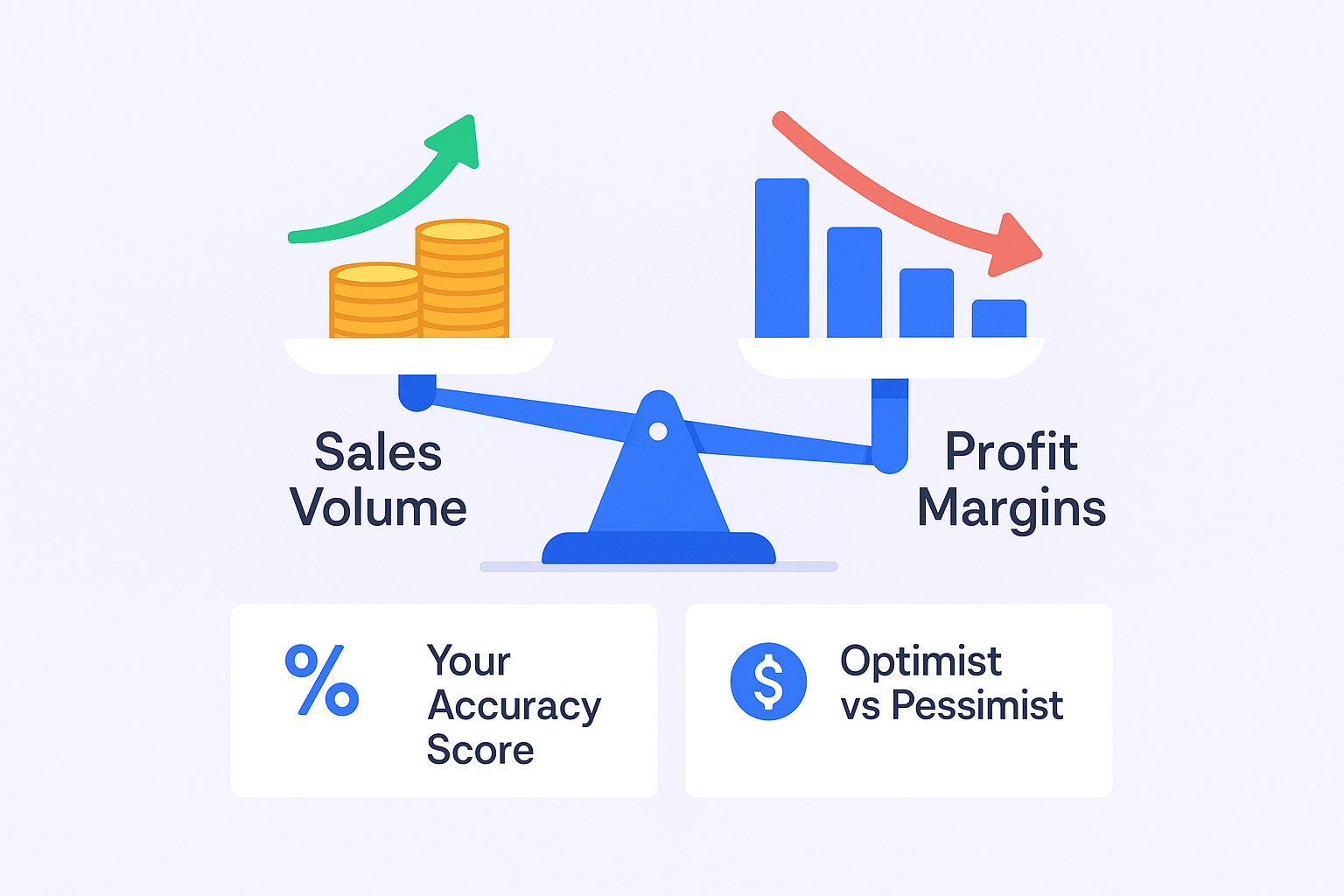
Because while discounts can accelerate deals, they can also tank your profitability, devalue your brand, and train customers to never pay full price again.


🎯 Target Buyers Ready to Pay

LinkedIn outbound finds decision-makers who value solutions over discounts—protecting your margins while scaling revenue

This isn’t just another stats dump. This is your playbook for understanding exactly how discounting works in 2025, what the numbers actually mean for your business, and how to use pricing strategy without shooting yourself in the foot.

Let’s dive into the data that matters.

Average Discount Rate in eCommerce Ranges from 10% to 30% Depending on Category

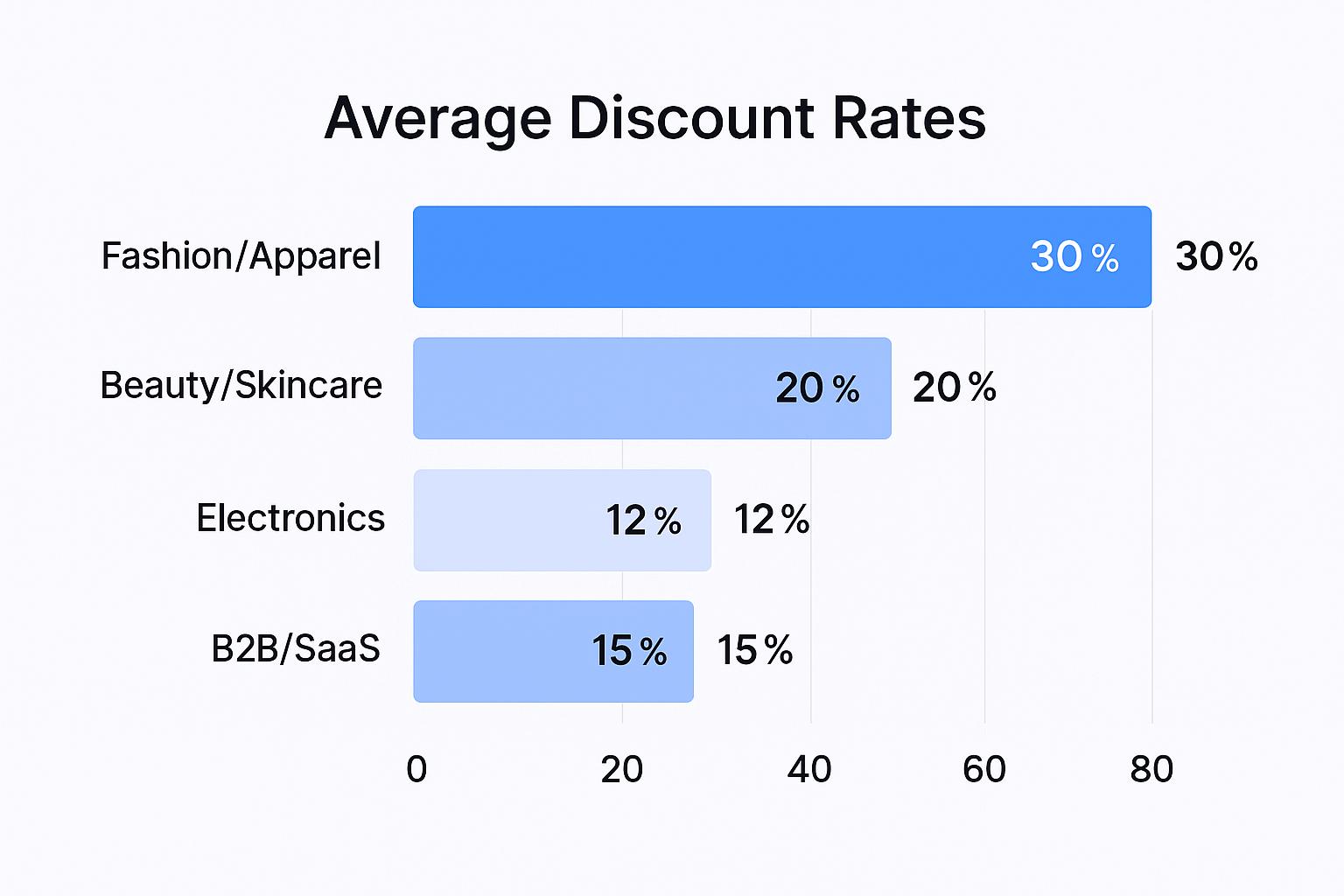
Here’s the baseline: most online retailers operate within a 10% to 30% discount range depending on what they’re selling.

Fashion brands? They’re usually closer to that 30% mark, especially during seasonal shifts. Electronics? Often stick to 10-15% because margins are already thin. Beauty and skincare land somewhere in the middle at around 15-20%.


The actual selling price you land on depends heavily on your store type and what you’re competing against. A boutique fashion brand might discount differently than a mass-market retailer, even in the same category.

Why does this matter? Because if you’re selling in ecommerce and you’re nowhere near these benchmarks, you’re either leaving money on the table or you’re confusing your customers. They’ve been trained by the market to expect certain discount levels in certain categories.

During Q2 2023, Average Discounts Reached Around 38% in Top Sectors

Now here’s where things get wild.

In Q2 2023, the fashion sector hit an average discount rate of 38%. That’s not a sale. That’s the new normal during competitive periods.

The media sector—think streaming services, digital content, subscription platforms—matched that same 38% average.

Why did these sectors go so aggressive? Competition. When everyone’s fighting for the same customer, discounts become the easy weapon. But here’s the problem: when everyone discounts at 38%, nobody wins. You’re all just racing to the bottom.

This is especially true in categories where switching costs are low. If I can cancel your service and jump to a competitor with one click, you better believe you’re going to feel pressure to discount.

Coupons Offer an Average Price Reduction of 19% for Online Shoppers

Here’s an interesting twist in the data: when you specifically look at coupon usage, the average discount drops to 19%.

Why does a coupon feel different than a straight discount? Psychology.

A coupon makes the customer feel like they did something to earn the deal. They searched for it. They applied it at checkout. That small action creates buy-in. They feel smart, not cheap.

The smart play? When you add business value through coupons, you can offer a smaller discount and get better results than a bigger blanket sale. A 19% coupon can perform better than a 25% sitewide discount because of how it’s framed and delivered.

38% of Online Shopping Transactions Use a Coupon Code or Discount

This stat should wake you up: 38% of all online purchases now involve some kind of discount or coupon code.

Read that again. More than one in three transactions.

We’ve normalized discounting to the point where customers expect it. They don’t ask “if” there’s a deal available—they assume there is and go hunting for it.

This creates a huge problem for brands: the cart abandonment trap. People add items to their cart, then pause to search for a better price or a promo code. If they can’t find one, they often just… leave.

Your sales tax calculation, your pricing transparency, your whole checkout flow—it all gets disrupted by discount-seeking behavior. And once customers learn your discount patterns (like end-of-quarter sales), they’ll wait instead of buying now.

Retail eCommerce Sales Are Expected to Exceed $4.3 Trillion Worldwide in 2025

Let’s zoom out for perspective.

The global ecommerce market is projected to hit $4.3 trillion in 2025. That’s trillion with a T.

Why does this matter for discounting? Because with a market that massive, competition is absolutely brutal. Every store type, every category, every geography—everyone’s fighting for a piece.

That competitive pressure naturally pushes more brands toward discounting as a growth lever. When there’s this much opportunity, it’s tempting to slash prices to grab market share fast.

💰 Win Deals at Full Price

Our LinkedIn targeting finds qualified prospects who care about value, not just discounts—complete campaign design included

But here’s the catch: the winners in a $4.3 trillion market aren’t just the ones who sell the most. They’re the ones who sell profitably. And that means being strategic about when and how you discount.

Abandoned Cart Rate Averages Near 70% Due to High Discount Expectations

This is the killer stat.

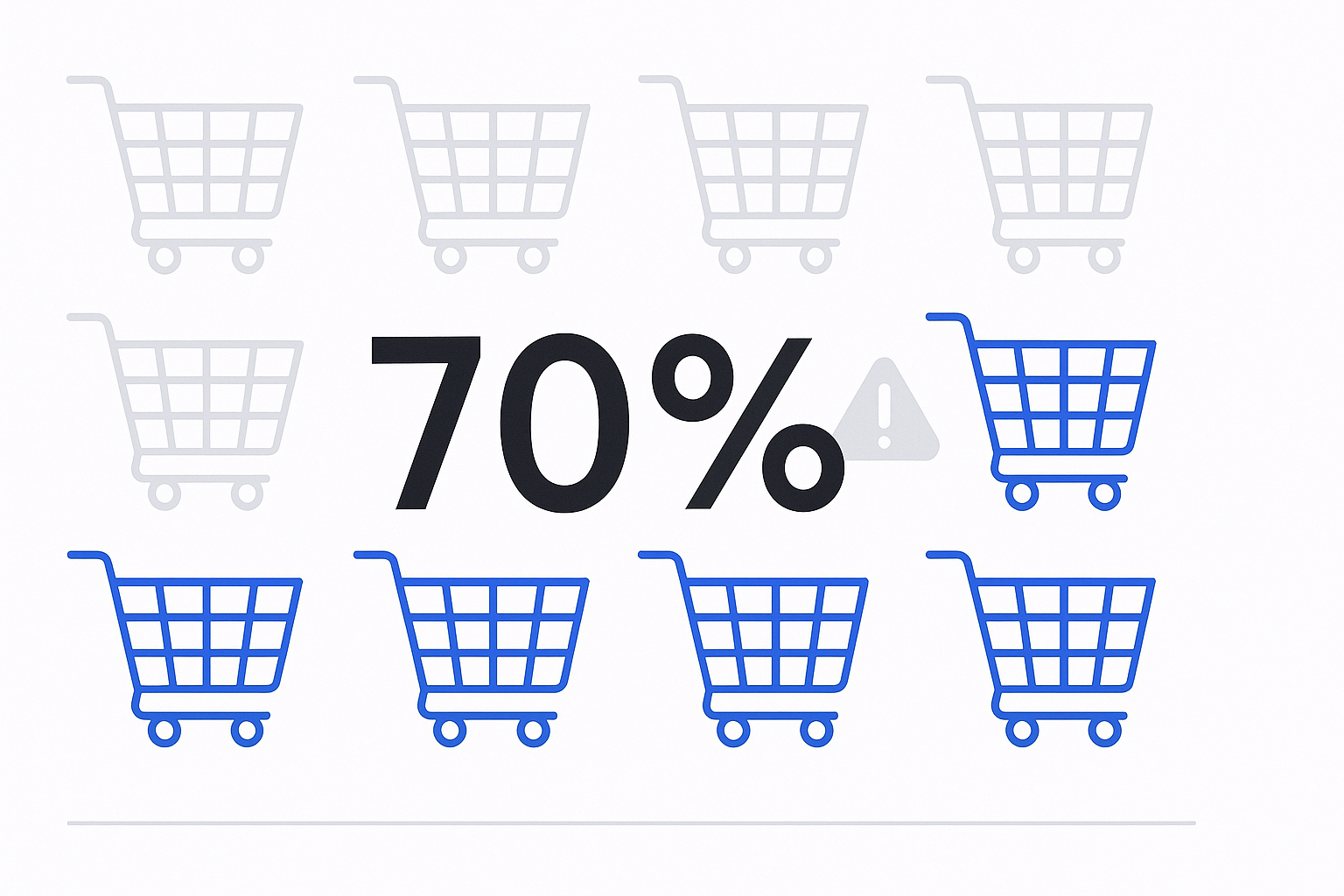
70% of shopping carts get abandoned before purchase. And a major reason? Customers have been trained to expect discounts.


Think about your own behavior. You add stuff to your cart on a site you’ve never bought from. Before you check out, you open a new tab and Google “[brand name] promo code.” If you find one, you use it. If you don’t, you might close the tab and think “I’ll come back later when there’s a sale.”

That later often never comes.

The psychology is fascinating. Customers aren’t abandoning because they don’t want the product. They’re abandoning because they suspect they’re not getting the best deal. They’re waiting you out.

And when they do abandon, what often brings them back? An automated email offering… you guessed it… a discount. Which just reinforces the behavior.

Add to this the friction of unexpected sales tax and shipping costs at checkout, and you’ve got a perfect storm of cart abandonment driven by price expectations.

Media Sector Discounts Closely Follow General eCommerce Averages Around 38%

The media and streaming sector—Netflix, Spotify, Hulu, all the subscription services—they’re right there with fashion at 38% average discounting.

Why? Because content is infinitely switchable. There’s no shipping cost. No physical product to return. Just a button that says “cancel subscription” and another button that says “try [competitor] free for 30 days.”

The media sector has realized that customer acquisition cost is high, so they use heavy intro discounts to get people in the door, then hope those people stick around at full price.

The problem? When every service offers “3 months for $0.99,” customers start rotating through services, never paying full price anywhere. They become discount tourists.

Average Discount Rate in eCommerce: What the Numbers Really Mean

Okay, let’s break down what’s actually happening with these discount rates across different store types and why it matters for your actual selling price.

Here’s the reality: not all discounts are created equal.

A 20% discount on a product with a 50% gross margin is completely different from a 20% discount on a product with a 20% gross margin. In the first case, you still make money. In the second, you’re selling at a loss or barely breaking even.

Fashion ecommerce can afford aggressive discounts because markups are high—often 200-300% on cost. A fashion brand might pay $20 for a shirt, list it at $80, then discount to $56 (30% off) and still make healthy profit.

But electronics? Margins might be 10-15% on cost. A 20% discount there is business suicide.

So when you see “average discount rate” stats, don’t blindly copy them. Ask yourself:

  • What’s my actual margin?
  • How does sales tax affect my final pricing?
  • What’s my customer lifetime value if I acquire them at this price point?
  • Does this discount attract the right customer or just bargain hunters?

The smartest brands don’t compete on price. They add business value through better service, faster shipping, superior product quality, or tighter community. And they reserve discounts for strategic moments—new customer acquisition, clearing old inventory, or rewarding loyal customers—not as a crutch for every sale.

🚀 Scale Without Price Wars

LinkedIn outbound delivers qualified pipeline through precision targeting and proven campaign frameworks—no race to bottom required

Interpreting Discount Rate Statistics Across Industries

Different industries play the discounting game totally differently. Let’s break it down.

Fashion and Apparel: This is the Wild West of discounting. Seasons change, trends die fast, and inventory needs to move. Average discounts of 30-40% are normal. Fast fashion brands like H&M and Zara have trained customers to expect constant deals. The play here is to use discounts strategically to clear out seasonal inventory while protecting your core collection pricing.

Beauty and Skincare: More moderate at 15-25% discounts. Why? Products have shorter shelf lives, and customers are often more loyal to brands that work for them. The discount strategy here focuses on trial and conversion—get new customers to try your product, then rely on repeat purchases at full price. That’s where brands like Salesso come in for businesses doing cold outreach to beauty retailers—finding the right contacts to pitch your product is just as important as your pricing strategy.

Electronics and Tech: Thin margins mean discounts of 10-15% max in most cases. Apple barely ever discounts. Why? Brand positioning. But smaller electronics retailers might offer 10% off to compete, knowing that’s about all the margin allows. The key here is adding value through bundles, warranties, or services rather than straight price cuts.

B2B and SaaS: This is where discounting gets really interesting. B2B businesses rarely advertise public discounts, but heavy negotiation happens on every deal. Annual contract discounts might hit 15-20%, but they’re traded for longer commitment terms. Smart B2B sellers use discounting as one lever in a complex negotiation, not as the main event.

Subscription Services: As we covered, media subscriptions average 38% discounting, mostly in the form of intro offers. The whole business model depends on acquiring customers cheap, then hoping they forget to cancel. Churn becomes the enemy, and once churn gets high, you’re stuck in a discount spiral just to maintain your subscriber base.

The lesson? Don’t just look at competitors’ discount rates. Understand their business model, their margins, and their strategic goals. Then craft your discounting approach to fit your actual economics, not just match the market.

🔥 Attract Quality Over Quantity

Our complete LinkedIn outbound system targets ideal buyers, designs converting campaigns, and scales your pipeline profitably

7-day Free Trial |No Credit Card Needed.

FAQs

What's the difference between discounts and coupons?

Psychologically, they're totally different even if mathematically they're the same. A discount is passive—you see 20% off and you get 20% off. It feels like the default price. A coupon is active—you have to find it, remember it, enter a code. That small action creates ownership. The customer feels like they earned it. The 19% average discount from coupons often outperforms a 25% blanket sale because of this psychology. People value things more when they have to work for them, even if it's just typing a code. Smart brands use this to their advantage. They segment their audience. Casual browsers get no discount. Email subscribers get a 10% code. VIP customers get 15%. Everyone feels special, but you're not giving away margin to people who would have paid full price.

What is a good discount rate for ecommerce?

For most ecommerce businesses, a 10-20% discount is the sweet spot. It's enough to motivate purchase decisions without destroying your margins. Here's the math: if your gross margin is 40% and you offer a 20% discount, you're giving away half your profit on that sale. That's your ceiling. Anything beyond that, and you need to be moving serious volume to compensate. The best approach? Use smaller discounts more strategically. A 15% discount offered only to email subscribers or first-time buyers creates urgency and feels exclusive. A perpetual 40% off sale just screams "our stuff isn't worth full price."

How do discounts affect customer behavior?

Discounts trigger powerful psychological responses. They create urgency, reward action, and make customers feel smart for finding a deal. But they also condition behavior. When customers learn your discount patterns, they stop buying at full price. They wait for the sale. They expect the deal. Research shows that 62% of consumers say limited-time offers are their biggest motivator to complete a purchase. The urgency matters more than the depth of the discount itself. A 15% discount that expires in 24 hours outperforms a 25% discount that's always available. The danger is training your audience to only buy on discount. Then you're stuck offering deeper and deeper deals just to maintain sales velocity. Break this cycle by varying your offers, rewarding different behaviors (like referrals or reviews), and protecting your core pricing.

Do frequent discounts hurt your brand?

Yes. Absolutely yes. When you discount too often or too deeply, you signal to customers that your product isn't worth the list price. You devalue your own offering. Think about brands you respect. Do they constantly run 50% off sales? No. Premium brands protect their pricing because price communicates value. When Apple discounts, it's a big deal. When a brand is perpetually discounted, nobody trusts the "regular" price. Frequent discounting also attracts the wrong customers—deal-seekers who have zero loyalty. They'll buy from whoever offers the cheapest price this week. Their lifetime value is low, their support needs are high, and they churn the second a competitor offers a better deal. Build value, not discounts. And when you do discount, make it strategic, time-bound, and tied to specific customer actions.

Is the "Who's VieweHow can I reduce cart abandonment without huge discounts?d Your Profile" feature truly useful?

Cart abandonment is rarely just about price. Yes, discount-seeking is one cause, but there are other big ones: Unexpected costs: The #1 reason for cart abandonment is surprise sales tax, shipping fees, or other charges at checkout. Be transparent about total costs upfront. Complicated checkout: Every extra step, every required field, every page load—friction costs you sales. Optimize ruthlessly. Security concerns: Show trust badges, SSL certificates, clear return policies. Make people feel safe buying from you. Better timing: Use abandoned cart email sequences. But instead of always offering a discount, try these tactics first: Reminder email (no discount) Social proof email (reviews from happy customers) Urgency email (low stock warning) Then, only if needed, a small discount as a final push Most cart abandonment can be solved without discounting. Fix your checkout experience, add business trust signals, clarify your pricing including sales tax, and you'll recover 15-20% of abandoned carts without touching your margins. The companies doing this right—like Salesso in the cold outreach space—know that finding and connecting with the right customers at the right time with the right message matters more than slashing prices. Smart targeting beats heavy discounting every time.

Conclusion

Look, here’s the bottom line on discounting in 2025.

Discounts are powerful. 70% of customers buy unplanned items because of discounts. Coupons reduce prices by an average of 19%. Nearly 40% of transactions now involve some kind of deal. The market is massive at $4.3 trillion, but it’s also hypercompetitive.

But power without strategy is just noise.

The brands winning right now aren’t the ones offering the biggest discounts. They’re the ones being strategic about when, how, and why they discount. They understand their margins. They add business value beyond price. They use discounts as a tool, not a crutch.

Your action plan? Start here:

Audit your current discounting strategy. Are you training customers to wait for sales? Are your margins healthy? Are you attracting the right buyers?

Set clear rules. Decide what types of customers get what levels of discount, and stick to it.

Test alternatives. Before you drop prices, try improving your value proposition, your checkout experience, or your sales tax transparency.

Track the right metrics. Don’t just measure revenue. Measure profit, customer lifetime value, and repeat purchase rates at different discount levels.

Discounting isn’t going anywhere. In a market where 38% of sectors are offering aggressive deals and 70% of carts are abandoned, you need a pricing strategy that works.

Just make sure it’s a strategy that builds your business, not one that slowly bleeds it dry.

Whether you’re in fashion competing at 30% off, in SaaS negotiating annual contracts, or in cold outreach (like Salesso) helping businesses connect with the right prospects, understanding the psychology and economics of discounting gives you an edge.

Price with intention. Discount with purpose. Grow with profit.

Stop Competing on Price Alone

Use LinkedIn outbound to attract high-value buyers who don’t need 30% discounts to convert

Segmentation That Actually Converts

LinkedIn outbound targets precise demographics with strategic campaign design and scaling methods

How to Build a High-Converting B2B Sales Funnel from Scratch on LinkedIn ​