- blog
- Statistics
- Small Business Ecommerce Statistics: 20 Game-Changing Insights
Small Business Ecommerce Statistics: 20 Game-Changing Insights for 2025
Table of Contents
Small Business Ecommerce Statistics
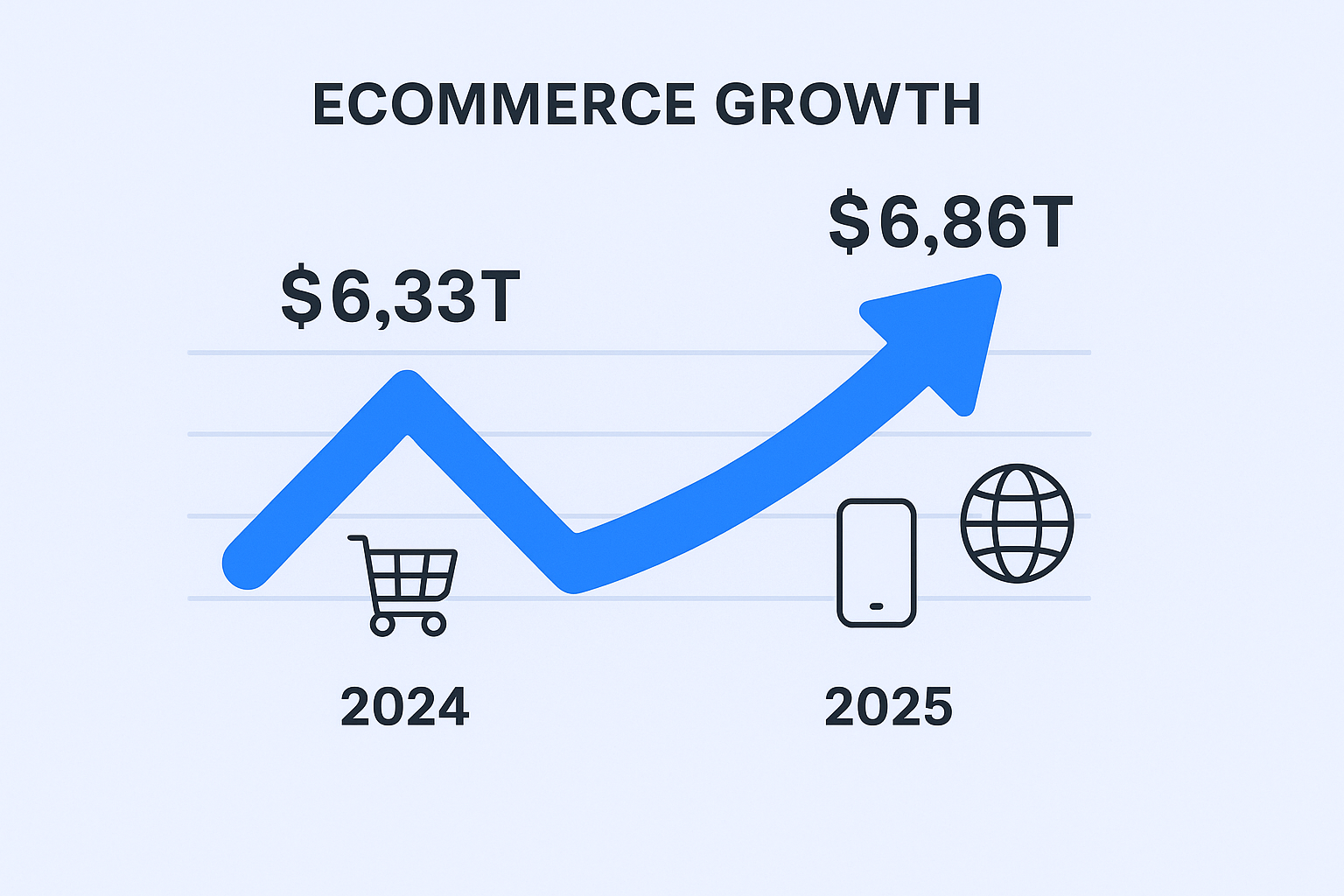
- Global ecommerce will hit $6.86 trillion in 2025 – representing an 8.37% increase from 2024, creating unprecedented opportunities for small businesses
- Ecommerce accounts for 20.5% of all retail sales worldwide in 2025 – meaning one in every five dollars spent on retail happens online
- US ecommerce sales reached $1.19 trillion in 2024 – the American market alone represents a trillion-dollar opportunity for businesses
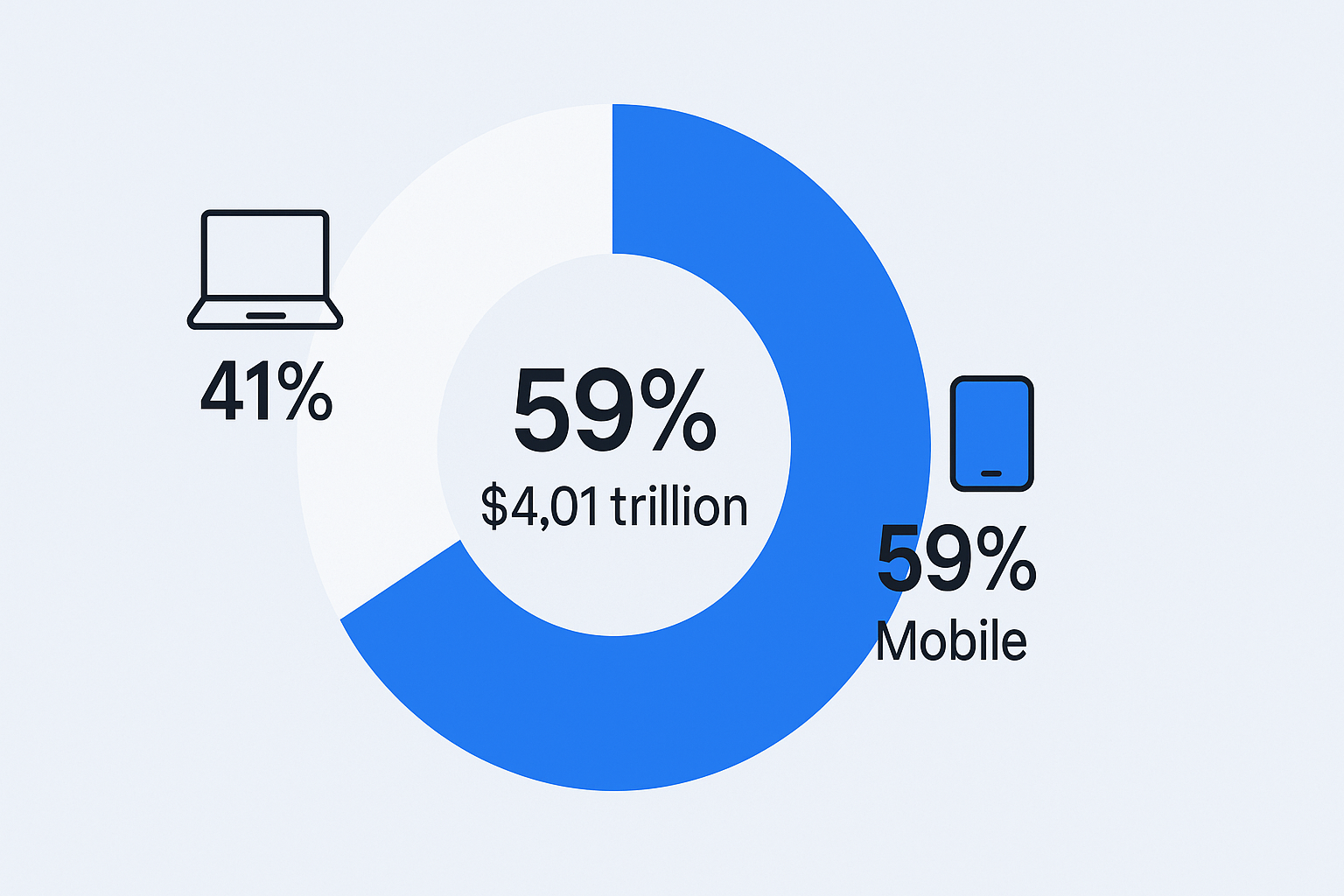
- Mobile commerce dominates with 59% market share – mobile will account for $4.01 trillion of total ecommerce sales in 2025
- Small businesses account for 97% of all US exporters – with many facilitating international transactions through online B2B platforms
- More than 52% of online shoppers regularly purchase from international websites – showing geographical boundaries matter less than ever
- 56.1% of internet users worldwide aged 16+ make an online purchase each week – online shopping has shifted from occasional to regular habit
- Social commerce reaching $1.2 trillion by 2025 – platforms like Instagram, TikTok, and Facebook are full shopping destinations
- Global smartphone users projected to exceed 7.1 billion in 2024 – representing the primary customer base for modern ecommerce
- Voice commerce transaction value grew 400% between 2021 and 2023 – reaching $19.4 billion
- Email marketing generates an average return of $36-$42 for every dollar invested – making it the highest-ROI marketing channel available
- Email converts at 4.24% vs social media’s 0.59% – while social media builds awareness, email drives actual sales
- Cart abandonment hits 76.22% average as of March 2025 – representing massive revenue leakage for small businesses
- 66% of consumers consider free shipping a key factor in purchase decisions – putting pressure on small businesses to absorb shipping costs
- 43% of cyberattacks target small businesses – making security a critical concern for any business collecting customer data and processing payments
Every time you see a “your order has shipped” email, you’re witnessing the pulse of a $6.86 trillion global market. That notification represents more than a purchase—it’s proof that small businesses are thriving in the digital economy like never before.
The ecommerce industry isn’t just growing; it’s exploding. From mom-and-pop shops selling handmade jewelry to tech startups disrupting entire industries, small business owners are leveraging online platforms to access global markets in ways that seemed impossible just a decade ago.
But here’s what most people don’t realize: behind every successful online store is a complex web of challenges. Cart abandonment rates hover around 76%. Customer acquisition costs are climbing. Competition is fiercer than ever. And yet, the annual growth rate of ecommerce continues to outpace traditional retail by massive margins.
This comprehensive guide breaks down the 20 most critical small business ecommerce statistics you need to know in 2025. These aren’t just numbers—they’re actionable insights that reveal where the biggest opportunities lie, what challenges you need to prepare for, and how social media and email marketing are reshaping customer relationships.
Whether you’re a business owner looking to launch online or expand your digital presence, these statistics will help you make smarter, data-driven decisions that actually move the needle.
How Do We Collect These Statistics?
Before diving into the numbers, it’s important to understand where this data comes from. The reliability of ecommerce statistics depends on the quality and methodology of the sources collecting them.
Government Agencies like the U.S. Census Bureau conduct large-scale surveys to measure retail and ecommerce sales across the United States. These official reports provide the foundation for understanding market size and growth trends.
Market Research Firms such as Statista, eMarketer, and Grand View Research aggregate data from thousands of sources. They conduct proprietary surveys, analyze transaction data, and use advanced statistical models to forecast industry trends and consumer behavior patterns.
Platform Analytics from major ecommerce platforms like Shopify, Amazon, and social media networks provide real-time insights into how small businesses perform online. This data offers a direct view of sales volumes, conversion rates, and emerging shopping behaviors.
Direct Research & Surveys involve asking business owners and consumers directly about their habits, challenges, and preferences. This method uncovers qualitative insights that pure transaction data might miss.
When multiple sources point to the same trend—whether it’s government data, platform analytics, or consumer surveys—it validates the findings and gives us confidence in the statistics we’re sharing.
20 Small Business Ecommerce Statistics That Matter
Market Size and Growth Potential
- Global Ecommerce Will Hit $6.86 Trillion in 2025
The global ecommerce market is projected to reach $6.86 trillion in 2025, which is an 8.37% increase from 2024. This massive market represents unprecedented opportunities for small businesses to capture their share of online spending.
- Ecommerce Accounts for 20.5% of All Retail Sales
Ecommerce accounts for 20.5% of total retail sales worldwide in 2025. This means one in every five dollars spent on retail happens online, and this percentage continues climbing each year.
- US Ecommerce Sales Reached $1.19 Trillion in 2024
Retail ecommerce sales in the US amounted to $1.19 trillion in 2024. The American market alone represents a trillion-dollar opportunity for businesses ready to sell online.
- Mobile Commerce Dominates with 59% Market Share
Mobile commerce is set to account for 59% of total eCommerce sales ($4.01 trillion) in 2025. Small business owners who optimize for mobile aren’t just following a trend—they’re capturing the majority of online sales.
Â

🎯 Target Your Ideal Buyers Daily – Skip the SEO wait.
Reach decision-makers directly with LinkedIn outbound campaigns that scale

Â
- Small Businesses Drive 97% of US Exports
Small businesses account for 97% of all US exporters, with many facilitating these international transactions through online B2B platforms. This reveals a massive opportunity for small businesses to access global markets.

- Cross-Border Commerce is Exploding
More than 52% of online shoppers regularly purchase from international websites, proving that geographical boundaries matter less than ever for small businesses willing to ship globally.
Consumer Shopping Behavior
- Weekly Online Shopping is the New Normal
56.1% of internet users worldwide aged 16+ make an online purchase each week. Online shopping has shifted from occasional activity to regular habit, creating consistent revenue opportunities for online stores.
- Gen Z Starts Shopping on Marketplaces
For 43% of US Gen Z consumers, marketplaces were a starting point in their online shopping journeys in 2024. Understanding where younger consumers begin their shopping journey helps small businesses position themselves strategically.
- Social Commerce Reaches $1.2 Trillion by 2025
Social commerce reaching $1.2 trillion by 2025. Platforms like Instagram, TikTok, and Facebook aren’t just marketing channels—they’re full shopping destinations where social media drives actual sales.
Mobile and Technology Trends
- Smartphone Users Exceed 7.1 Billion Globally
Global smartphone users are projected to exceed 7.1 billion in 2024. This massive mobile-connected audience represents the primary customer base for modern ecommerce businesses.
- Voice Commerce Surges 400% in Two Years
Voice commerce transaction value grew 400% between 2021 and 2023, reaching $19.4 billion. As voice assistants become more sophisticated, small businesses need to optimize for voice search and voice-activated purchases.
- Digital Wallets Dominate Payment Preferences
Digital wallets account for 50% of all online transactions globally, with particularly high adoption in the Asia-Pacific region. Small businesses that offer multiple digital payment options see higher conversion rates.
The Email Marketing Advantage
- Email Marketing Delivers $36-$42 ROI for Every Dollar Spent
Email marketing generates an average return of $36-$42 for every dollar invested, making it the highest-ROI marketing channel available. For small business owners with limited marketing budgets, email remains the most cost-effective growth lever.
- Email Converts 4.24% vs Social Media’s 0.59%
Traffic from email marketing converts at 4.24% compared to social media’s 0.59% conversion rate. While social media builds awareness, email drives actual sales.
- 60% of Consumers Are Influenced by Marketing Emails
Nearly 60% of consumers report that marketing emails influence their purchase decisions. This statistic validates email as a critical touchpoint in the customer journey.
📩 Combine Email + LinkedIn Outreach –
We design multi-channel campaigns that target, nurture, and convert B2B prospects systematically
Major Challenges and Pain Points
- Cart Abandonment Hits 76.22% Average
As of March 2025, the average shopping cart abandonment rate worldwide is 76.22%. This represents massive revenue leakage that small businesses can address through better checkout processes and follow-up email sequences.
- Unexpected Costs Are the #1 Deal Killer
High shipping costs and unexpected fees remain the primary reason customers abandon their carts. Small business owners who build transparency into their pricing see significantly lower abandonment rates.
- Free Shipping Drives 66% of Purchase Decisions
66% of consumers consider free shipping a key factor in their online purchase decisions. This puts pressure on small businesses to absorb shipping costs or build them into product pricing.
- Small Businesses Are Prime Cybersecurity Targets
43% of cyberattacks target small businesses, making security a critical concern for any business collecting customer data and processing online payments.
🚀 Don't Wait for Traffic -
Our LinkedIn outbound engine delivers qualified leads while your SEO catches up
7-day Free Trial |No Credit Card Needed.
The Bottom Line for Small Business Success
These statistics paint a clear picture: ecommerce isn’t just growing—it’s becoming the dominant force in retail. The annual growth rate consistently outpaces traditional retail, mobile commerce is taking over, and email marketing remains the highest-ROI channel for customer acquisition and retention.
Small business owners who act on these insights have unprecedented opportunities to access global markets, build sustainable customer relationships, and compete with much larger companies. The key is focusing on mobile optimization, leveraging email marketing’s superior conversion rates, and understanding that success in ecommerce requires addressing real customer pain points like cart abandonment and shipping transparency.
The data shows that social media drives discovery while email drives sales. Small businesses in the United States and globally are capturing their share of this trillion-dollar market by combining multiple channels strategically rather than putting all their efforts into a single platform.
The most successful small business owners use these statistics not just to understand the market, but to identify specific opportunities where they can outperform competitors who aren’t paying attention to the data.
FAQs
What percentage of small businesses sell online?
What is the average conversion rate for small business ecommerce sites?
How important is mobile optimization for small ecommerce businesses?
What's the most effective marketing channel for small ecommerce businesses?
How can small businesses reduce cart abandonment?
Scale Beyond Organic Traffic
Connect directly with 7,000+ qualified B2B buyers using targeted LinkedIn campaigns
Segmentation That Actually Converts
LinkedIn outbound targets precise demographics with strategic campaign design and scaling methods