
🎉Find Prospects and Send Cold Emails & LinkedIn Outbound | All in One Place

LinkedIn Recruiting Statistics: What the Numbers Actually Tell You in 2026

Table of Contents

LinkedIn Recruiting Statistics

  • Over 1 billion members now use LinkedIn globally – representing almost every professional recruiter would ever want to reach
  • LinkedIn adds 5 to 7 million new members every month – roughly 2 to 3 new users joining every second
  • United States leads with 214 million LinkedIn users – though nearly 80% of the platform’s user base is outside the US
  • 7 people are hired every minute on LinkedIn – hiring velocity has essentially doubled from earlier benchmarks of 3-4 per minute
  • 101 job applications processed every second – totaling 210 million applications per month
  • Only 134.5 million users are active daily – representing just 16.2% of the total user base on any given day
  • Millennials make up 60% of LinkedIn users – with 11 million millennials holding decision-making positions
  • Women represent nearly 42% of company leadership roles – on the platform, making LinkedIn a representative pool for diversity recruiting
  • LinkedIn InMail response rates typically fall between 10-25% – with top performers hitting the higher end through hyper-personalization
  • Profiles using “Open to Work” receive 40% higher engagement from recruiters – with InMails seeing a 37% response rate lift
  • Employees sourced through LinkedIn are 40% less likely to leave within first 6 months – compared to hires from other sources
  • 72% of recruiters say professionals hired through LinkedIn are higher quality – than those found on job boards or aggregators
  • 26% of paid job posts in 2024 didn’t require a university degree – a 16% increase from 2020, showing shift to skills-based hiring
  • Skills-first searching yields 24% higher InMail acceptance rate – compared to traditional job title-based searches
  • 80% of successful placements require 5+ follow-ups – yet 48% of recruiters never send a second message, revealing a major opportunity gap

onse Rates With Zero Technical Complexity

You probably already know LinkedIn is massive for recruiting.

But here’s what might surprise you: the numbers behind how recruiters actually find and hire talent have changed dramatically. And if you’re still using the same playbook from 2022, you’re leaving opportunities on the table.

Let’s break down the LinkedIn recruiting statistics that actually matter right now — the ones that can change how you approach sourcing, outreach, and ultimately, closing candidates faster.

The Scale of LinkedIn Recruiting Today

LinkedIn isn’t just another social media platform anymore. It’s evolved into the backbone of professional recruiting worldwide.

Here’s how big we’re talking:

Over 1 billion members now use LinkedIn globally. That means almost every professional you’d ever want to reach is already on the platform. The search phase of recruiting? Essentially solved.

What’s even more impressive is the growth rate. LinkedIn adds 5 to 7 million new members every month — roughly 2 to 3 new users joining every second. So that search you ran last week? It’s already outdated.

The United States leads with 214 million linkedin users, but here’s the kicker: nearly 80% of the platform’s user base is outside the US. If you’re recruiting internationally, this is the only truly global directory of professional talent.

Hiring Velocity: How Fast Things Move

Here’s the stat that should grab your attention:

7 people are hired every minute on LinkedIn.
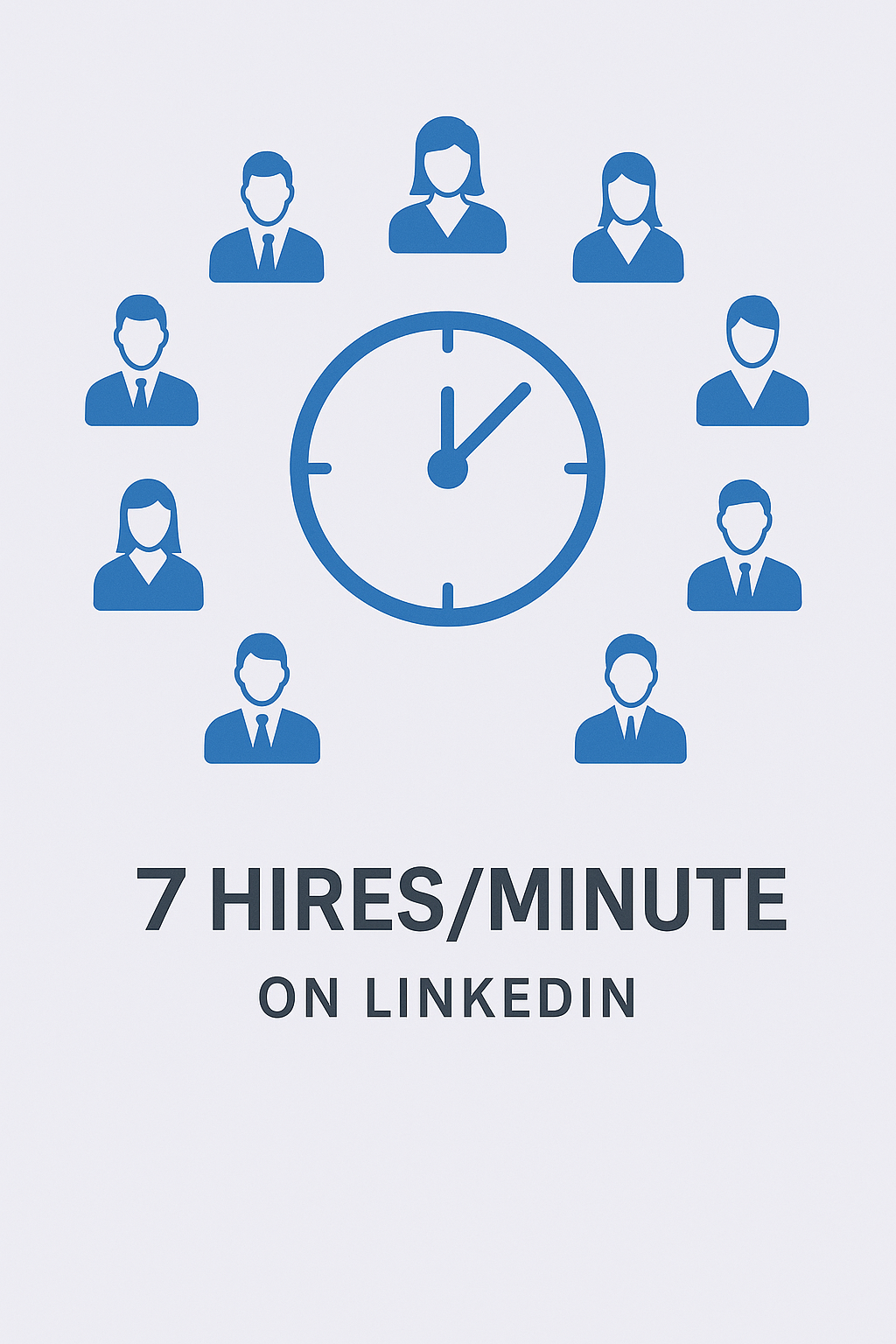


That’s not a typo. Earlier benchmarks put this at 3-4 hires per minute. The platform’s hiring velocity has essentially doubled in recent years.

What does this mean for you? Candidates move fast. That “passive” candidate you identify on Monday might already be interviewing somewhere else by Wednesday. The old model of slowly building pipelines over months is being replaced by real-time sourcing and rapid outreach.

And volume? It’s off the charts.

The platform processes 101 job applications every second. That’s 210 million applications per month. Standing out in this torrent of activity requires more than just posting jobs and hoping for the best.

Who’s Actually Active (And Who’s Not)

Here’s where linkedin job statistics get interesting — and where most recruiters get it wrong.

While LinkedIn has over a billion accounts, only about 134.5 million users are active daily. That’s roughly 16.2% of the total user base.
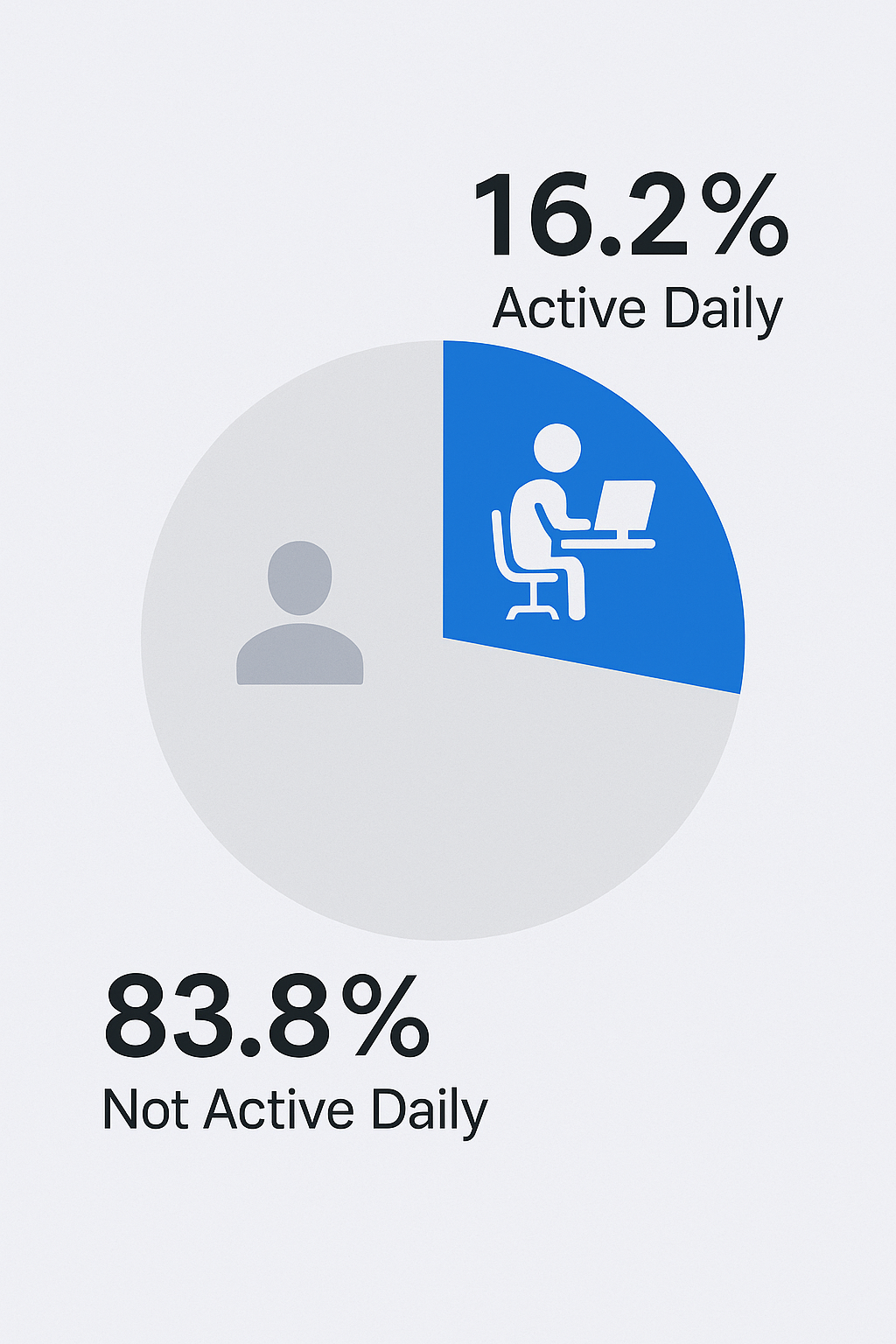


In other words, 83.8% of profiles belong to people who aren’t logging in on any given day.

Think about that. If you’re relying solely on InMail or connection requests, you’re essentially hoping your message lands in front of someone who happens to check LinkedIn that day. For the majority of candidates, it won’t.

📊 Reach 100% of Your Targets

LinkedIn outbound delivers guaranteed feed visibility to all decision-makers, not just the 16% active daily

This is exactly why multichannel outreach matters. Email lands in the workflow people check multiple times daily. LinkedIn messages sit in a platform inbox that many professionals visit sporadically.

The smart approach? Use LinkedIn for intelligence (finding the right people, understanding their background) and email for delivery (actually reaching them where they work). Tools like Salesso help you find verified business emails so your outreach actually lands.

The Demographics That Shape Your Strategy

Understanding who’s on LinkedIn changes how you approach them.

Millennials now make up 60% of LinkedIn users, and 11 million of them hold decision-making positions. This generation responds to authenticity and personalization — stiff corporate language doesn’t cut it anymore.

The gender split sits at 56.9% male to 43.1% female, though women now represent nearly 42% of company leadership roles on the platform. For diversity recruiting initiatives, this confirms LinkedIn is a representative pool for sourcing leadership talent.

Age distribution matters too:

  • 20% of users are 18-24 (your entry-level pipeline)
  • Nearly 18% are 35-54 (your experienced executive tier)
  • Only 2% are 55 and older (executive search for late-career roles may need supplemental approaches)

InMail Response Rates vs. Cold Email: The Real Numbers

Let’s talk about what actually works for recruiter outreach.

LinkedIn InMail response rates typically fall between 10-25%, with top performers hitting the higher end through hyper-personalization. One major advantage: candidates can see your face, profile, and mutual connections immediately, creating instant trust.

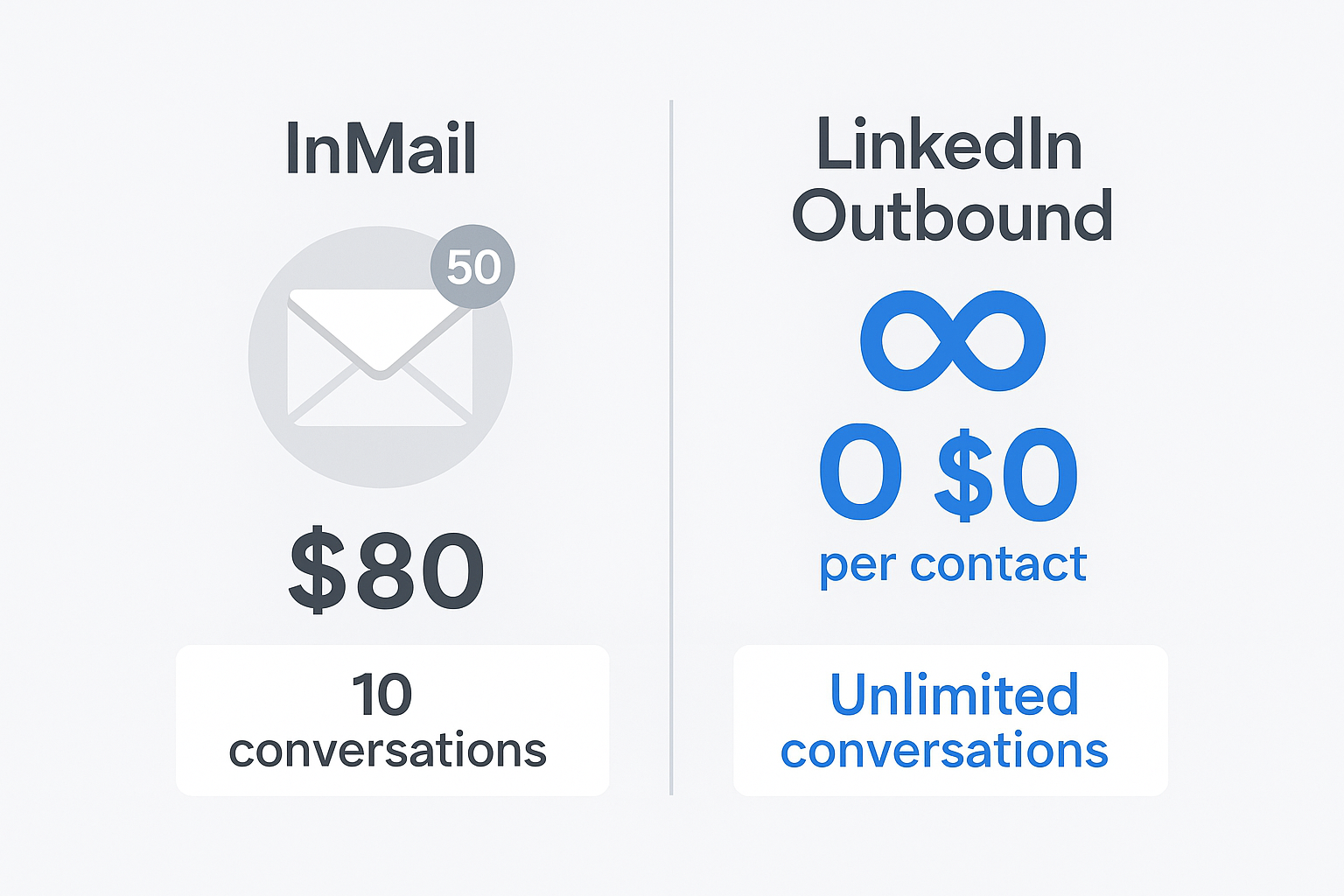
But here’s the constraint: InMail credits are scarce and expensive. Sales Navigator gives you about 50 per month. Recruiter Lite gives 100. Additional credits cost roughly $1.60 each.

Do the math. At a 20% response rate, 50 InMails yield 10 conversations per month. For most hiring targets, that’s not enough.



💰 Scale Without Credit Costs

Get unlimited LinkedIn outbound with complete targeting, campaign design, and scaling strategy included

Cold email response rates sit lower at 1-5%, but the volume advantage is massive. You can send hundreds or thousands of emails monthly at near-zero marginal cost. Even at a 2% reply rate, 1,000 emails yield 20 conversations — double what capped InMail produces.

This is where having verified email addresses becomes critical. Building a strong prospecting list with accurate contact data lets you bypass LinkedIn’s limitations entirely.

🚀 Bypass InMail Caps Completely

Our LinkedIn outbound reaches decision-makers directly without credit limits or platform restrictions

The “Open to Work” Signal: A Recruiter’s Goldmine

Here’s a stat that changes how you prioritize candidates:

Profiles using the “Open to Work” frame receive 40% higher engagement from recruiters and are significantly more likely to respond to outreach. InMails to these candidates see a 37% response rate lift.

This feature essentially segments your database into active versus passive job seekers at a visual level. If speed matters (and it does when 7 people get hired every minute), targeting “Open to Work” candidates first is a no-brainer.

Quality of Hire: Why LinkedIn Sourcing Actually Works

Beyond speed, linkedin hiring statistics show something important about quality.

Employees sourced through LinkedIn are 40% less likely to leave within the first 6 months compared to hires from other sources. Why? Transparency. Candidates research company culture and employees extensively before joining, leading to better alignment.

And recruiters agree: 72% say professionals hired through LinkedIn are higher quality than those found on job boards or aggregators.

This validates investing in LinkedIn recruiting — but also highlights why supplementing with cold email outreach expands your reach without sacrificing quality.

Skills-Based Hiring is Changing the Game

The connection between degrees and job requirements is weakening.

In 2024, 26% of paid job posts on LinkedIn didn’t require a university degree — a 16% increase from 2020. The platform now hosts over 41,000 distinct skills you can filter by.

Here’s the recruiting insight: skills-first searching yields a 24% higher InMail acceptance rate.

The modern search isn’t “Find Marketing Manager.” It’s “Find Marketing Manager with specific skills like Generative AI or SEO.” Recruiters who adapt their filters to this reality get better response rates and better candidates.

Timing Your Outreach for Maximum Response

When you reach out matters almost as much as what you say.

Tuesdays and Mondays show the highest reply rates for LinkedIn outreach (around 6.8-6.9%). Saturdays are essentially dead with reply rates dropping to 2.65%.

Messages sent between 9-10 AM on weekdays hit the highest open rates, catching professionals as they settle into their workday.

And don’t forget follow-up. 48% of recruiters never send a second message, yet 80% of successful placements require 5+ follow-ups. The gap between those numbers is where opportunity lives.

The AI Factor in Recruiting

AI is reshaping recruiting workflows faster than most realize.

37% of organizations already integrate generative AI into their hiring processes, and recruiters using these tools report saving 20% of their workweek — roughly one full day.

AI-powered personalization boosts reply rates by 35% for email and 40% for LinkedIn connections.

But here’s the catch: 70% of candidates still prefer human connection in the process. The winning formula? Use AI to draft and scale, but keep human polish on final communications.

Conclusion

The LinkedIn recruiting statistics tell a clear story. The platform is massive, hiring moves fast, but relying solely on LinkedIn creates artificial limits.

The recruiters winning right now combine LinkedIn’s intelligence (finding the right people, understanding backgrounds, spotting “Open to Work” signals) with the scalability of email outreach (reaching people where they actually spend their time).

If you’re hitting the ceiling of InMail caps and connection limits, the answer isn’t buying more credits. It’s building verified contact lists that let you reach candidates through multiple channels

âš¡ No SMTP, No Limits

Complete LinkedIn outbound engine with targeting, campaigns, and scaling handled entirely for you

7-day Free Trial |No Credit Card Needed.

That’s exactly what Salesso helps you do — finding verified business emails so you can scale outreach without platform restrictions holding you back.

FAQs

How many people get hired on LinkedIn every minute?

7 people are hired every minute on LinkedIn, a figure that has roughly doubled from earlier benchmarks.

What's a good InMail response rate for recruiters?

Good InMail response rates fall between 10-15%, with top performers reaching 25% through personalization and targeting active users.

Are LinkedIn hires higher quality than other sources?

Yes. 72% of recruiters say LinkedIn hires are higher quality, and these employees are 40% less likely to leave within the first 6 months.

What percentage of LinkedIn users are active daily?

Only about 16.2% of LinkedIn users (roughly 134.5 million) are active daily, which is why multichannel outreach matters.

When is the best time to reach candidates on LinkedIn?

Tuesdays and Mondays yield the highest response rates, with messages sent between 9-10 AM showing the best open rates.

Scale LinkedIn Without The Tech Headaches

Get 15-25% Response Rates With Our Done-For-You LinkedIn Outbound Engine

Segmentation That Actually Converts

LinkedIn outbound targets precise demographics with strategic campaign design and scaling methods

How to Build a High-Converting B2B Sales Funnel from Scratch on LinkedIn ​