Financial Reality: What LinkedIn Learning Actually Costs
LinkedIn as a whole generated $17.1 billion in revenue in FY2024, up 8.6% year-over-year. Premium subscriptions (which include access to LinkedIn Learning) are driving significant growth.
Premium sign-ups increased by 51% in FY2024, with Premium revenue hitting $1.7 billion in March 2024 alone. This surge tells us something important—individuals aren’t waiting for their employers to pay for training. They’re swiping their own credit cards to stay competitive.
The individual subscription sits around $39.99/month or $239.88/year (with a discount), which represents a significant investment for freelancers or professionals at smaller companies. For enterprises, the per-seat cost varies based on company size and contract terms.
But here’s the kicker: an IDC study quantified LinkedIn Learning’s ROI at 695% over three years, with a payback period of less than 6 months. For every dollar spent, organizations are getting nearly seven dollars back in value through reduced hiring costs, increased productivity, and improved retention.
The Content Creator Advantage
LinkedIn Learning takes a different approach than platforms like Coursera or Udemy. Instead of relying on university professors or marketplace instructors, they curate industry veterans and thought leaders.
Enter Abhijit Bhaduri—a perfect case study of LinkedIn Learning’s strategy.
Bhaduri is the former Chief Learning Officer of Wipro and former GM of Learning & Development at Microsoft. He’s been voted #1 HR Influencer on Social Media by SHRM and has over 1 million followers across platforms.
His courses focus on “Future of Work,” “Digital Tsunami,” and “Talent Management”—exactly the topics keeping C-suite executives up at night. When you recommend a course from the former CLO of Microsoft, it carries weight. This is LinkedIn Learning’s secret weapon: credibility through pedigree.
The Reality Check: What Users Actually Say
Looking at reviews across G2, Capterra, and TrustRadius (with G2 alone hosting 1.4 million reviews), LinkedIn Learning generally scores 4.4/5 stars. But the feedback is nuanced:
What users love:
- Seamless integration with LinkedIn profiles (badges appear automatically)
- Best-in-class mobile app for learning on the go
- Breadth of topics from technical to soft skills
- Course quality from industry veterans
What users criticize:
- Content can be too generic for advanced practitioners
- Price is steep for freelancers and small teams
- Some courses lack the “in the trenches” specificity of specialist trainers
- Video format is passive compared to interactive simulations
For professionals focused on lead generation for B2B SaaS or mastering social selling techniques, the platform offers solid foundational training. However, advanced practitioners often need to supplement with more specialized resources.
How To Actually Access LinkedIn Learning
Accessing the platform is straightforward, but there are a few paths:
Individual Access:
- Purchase a Premium subscription directly through LinkedIn
- Navigate to the account center and upgrade to Premium
- Start with a free trial (usually 1 month) to test the platform
- Add learners to your account if you’re managing a small team
Enterprise Access:
- IT admins can add learners via CSV bulk upload for mid-sized teams
- Larger organizations use HTTPS Org Sync to automate employee data flow from HRIS systems
- The platform supports SSO (Single Sign-On) via SAML 2.0 for security
- Integration with existing Learning Management Systems via xAPI and SCORM standards
The admin experience has improved significantly. Companies can now toggle license status (active/inactive) in bulk, allowing them to cycle licenses and maximize the utility of a limited number of seats.
The Bigger Picture: Skills-First Hiring Revolution
Here’s something most people miss: LinkedIn has over 41,000 skills listed in its database, and recruiters are 5x more likely to search by skill than by degree.
This is fundamentally changing how hiring works. Your college degree matters less than your verified badges in Negotiation, Python, or Project Management. The “credential” is shifting from a four-year institution to a collection of demonstrated competencies.
For busy professionals, this creates both opportunity and pressure. The opportunity: you can learn and demonstrate new skills without going back to school. The pressure: your peers are constantly upskilling, and standing still means falling behind.
75% of recent job changers used LinkedIn to find their new role, and new hires are the most likely demographic to consume learning content to prove their worth in the first 90 days. If you’re targeting prospects in their first quarter at a new company, you’re reaching people in active learning mode.
Is LinkedIn Learning Worth It?
Let’s cut through the marketing fluff and answer the real question: should you invest your time and money in LinkedIn Learning?
The answer depends on where you are in your career and what you’re trying to achieve.
LinkedIn Learning is excellent if:
- You need foundational knowledge in a new skill area (Python basics, Excel fundamentals, Intro to Project Management)
- You want credentials that appear directly on your LinkedIn profile
- You consume content on mobile during commutes or downtime
- Your employer already pays for access (making it essentially free)
- You’re early in your career and building a broad skill base
LinkedIn Learning falls short if:
- You need advanced, company-specific training (like how to sell your exact product)
- You prefer interactive, hands-on learning over video lectures
- You’re on a tight budget and can access similar content free on YouTube
- You need niche, cutting-edge content that’s highly specialized
For professionals working in cold outreach and sales, platforms like Salesso often provide more specialized training specifically designed for email campaigns, deliverability, and conversion optimization. While LinkedIn Learning offers solid cold email software fundamentals, advanced practitioners need tools and training that go deeper.
The verdict: LinkedIn Learning is absolutely worth it for most professionals—especially if your company pays. The platform’s strength lies in its breadth, mobile optimization, and profile integration. But it’s best viewed as part of your learning ecosystem, not your only learning resource.
Conclusion
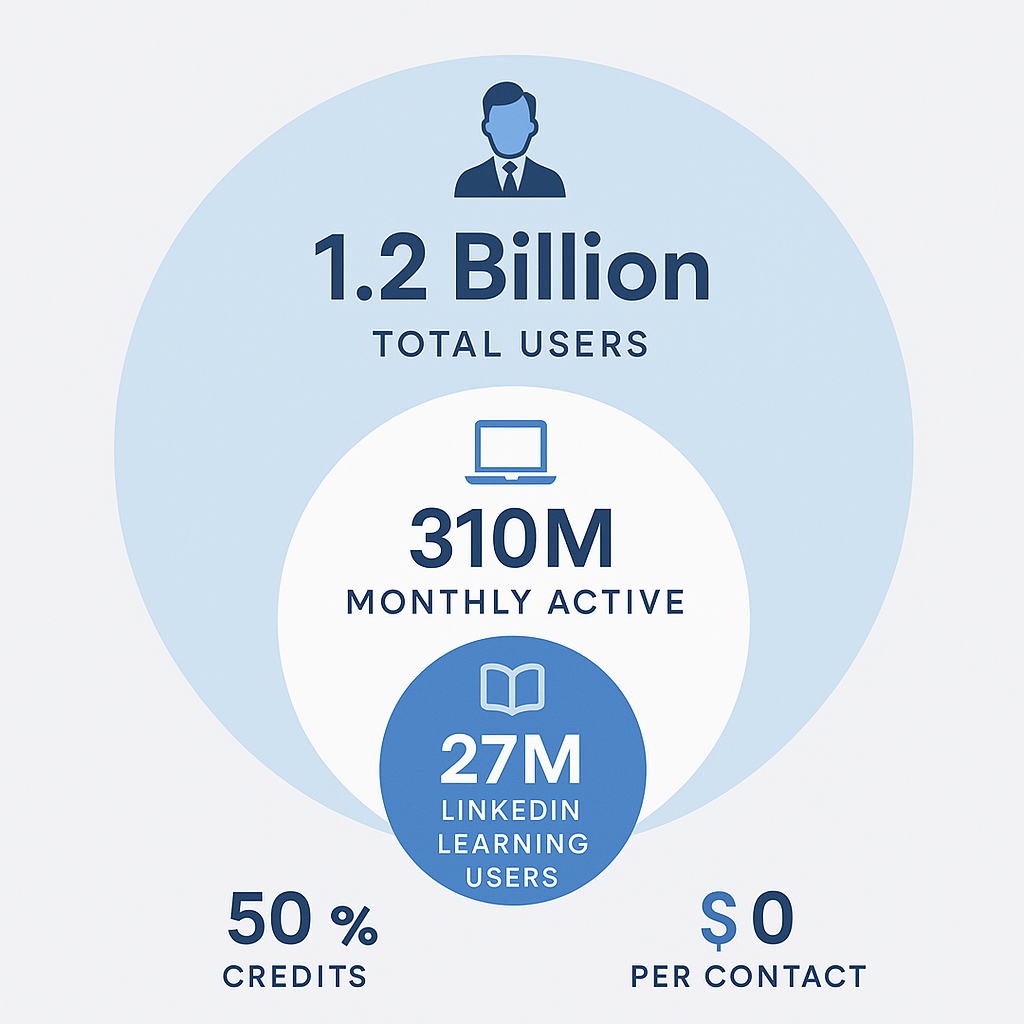
LinkedIn Learning user statistics paint the picture of a platform that’s become essential infrastructure for professional development. 27 million active users, 78% Fortune 100 adoption, and 695% ROI aren’t just marketing numbers—they represent a fundamental shift in how people approach career growth.
The platform’s strength lies in making learning accessible. Whether you’re on your phone during a commute or dedicating focused time to skill development, LinkedIn Learning has positioned itself as the default choice for professional upskilling.
But here’s the reality: learning alone won’t transform your career. Application will.
The professionals winning with LinkedIn Learning aren’t just consuming content—they’re immediately applying what they learn, sharing their progress publicly, and using new skills to create tangible results. The badge on your profile is nice. The project you completed using those skills is what actually matters.
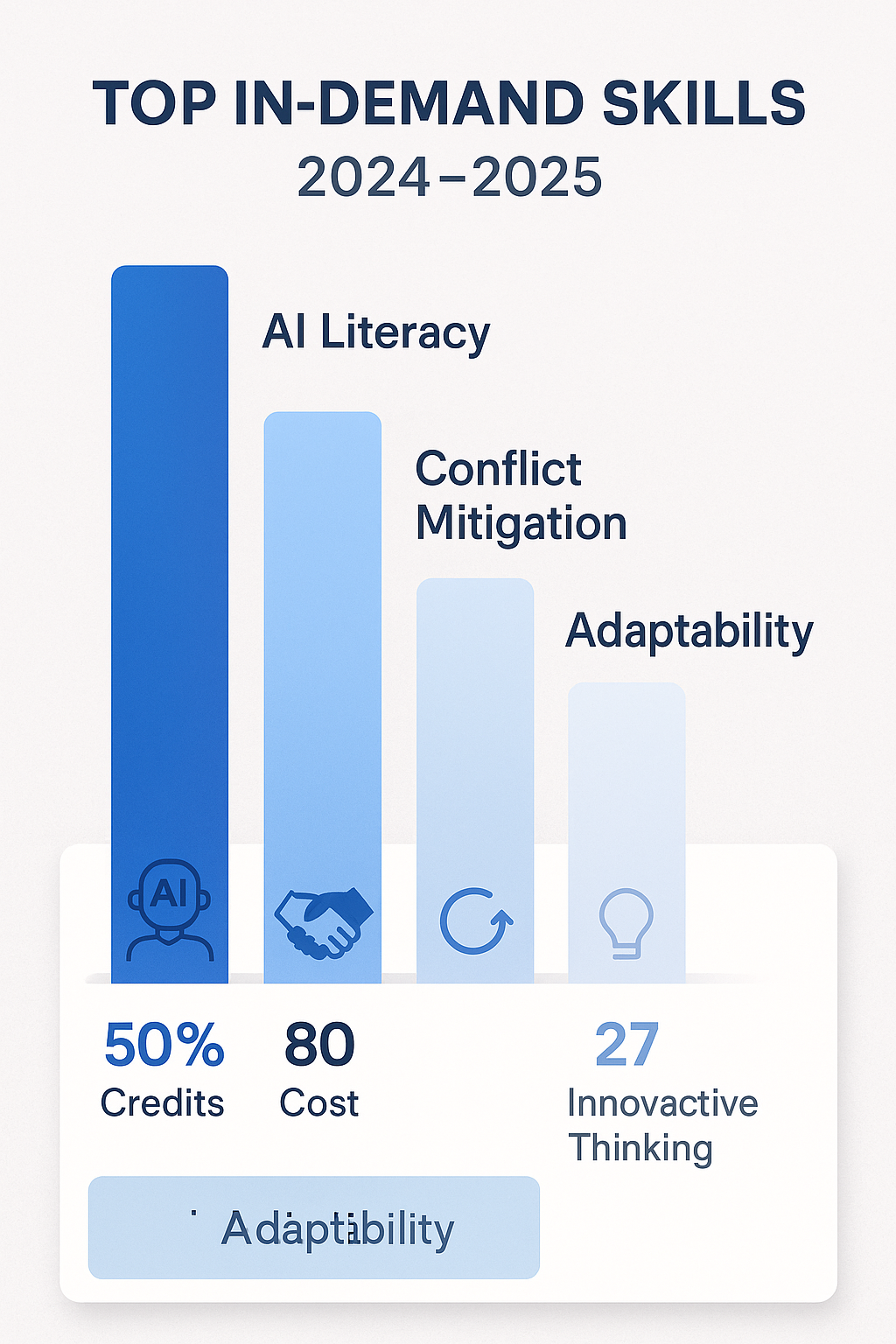
As we move deeper into 2025, expect to see continued growth in AI literacy courses, more integration between learning and job opportunities, and increasing emphasis on micro-credentials over traditional degrees. The question isn’t whether online learning matters—it’s whether you’re using it strategically to stay ahead.
To convert LinkedIn learning intelligence into systematic execution campaigns that deliver actual business results, explore these resources:
Email Infrastructure & Execution:
CRM & Data Integration:
- Read our comprehensive Apollo CRM review for turning learning into systematic prospecting workflows
Applied Prospecting Methods:
Tactical Execution Knowledge:
Related Intelligence:
LinkedIn Learning user statistics reveal impressive platform adoption—27 million active learners, 78% Fortune 100 companies, and 695% three-year ROI. The platform delivers foundational skills across 41,000 courses with excellent mobile optimization and profile badge integration. But here’s the execution gap: learning about LinkedIn prospecting, AI tools, and sales strategies doesn’t book meetings. The 27 million learning users are developing skills; the 65M+ decision-makers are making buying decisions. While courses teach concepts over months, systematic outbound execution delivers qualified meetings in days. Our complete LinkedIn outbound system doesn’t replace learning—it replaces the years between learning and implementation. We apply proven methodologies immediately, targeting decision-makers with campaigns delivering 15-25% response rates while you focus on closing deals rather than completing courses about prospecting theory.