

Company Description Answer these three questions clearly:
- What does your business do?
- What makes you different from everyone else doing similar things?
- Who’s on your team and why should anyone trust you?
Keep it to one page maximum. If you can’t explain your business clearly in 300 words, you don’t understand it well enough yet.
Market Analysis This is where most people either overthink it or skip it entirely. Here’s the simple approach:
Research shows that businesses that conduct proper market analysis are 2.5x more likely to achieve their revenue goals. You need to know:
- Who are your ideal customers? (Be specific—”small businesses” is too vague)
- How many of them exist? (Total addressable market)
- What do they currently pay for solutions like yours?
- Who are your main competitors and what are they doing wrong?

Products and Services What are you selling? Describe it like you’re explaining to a friend, not writing a technical manual. Focus on benefits over features.
Instead of: “We offer a cloud-based SaaS platform with API integrations” Write: “We help sales teams automate their outreach so they book more meetings without working weekends”
See the difference?
Marketing and Sales Strategy This is where you explain how customers will actually find you. With average email open rates dropping to 27.7% in 2025, you need a multi-channel approach.
Your plan should cover:
- Customer acquisition channels: Where will you find customers? (LinkedIn outreach, content marketing, partnerships, paid ads)
- Sales process: How do you convert interest into revenue? (Free trial, demo call, direct purchase)
- Pricing strategy: What will you charge and why?
Here’s a reality check: 61% of marketers say improving their outreach strategy is their top priority. If you’re not thinking about how to reach customers systematically, you don’t have a business—you have a hobby.
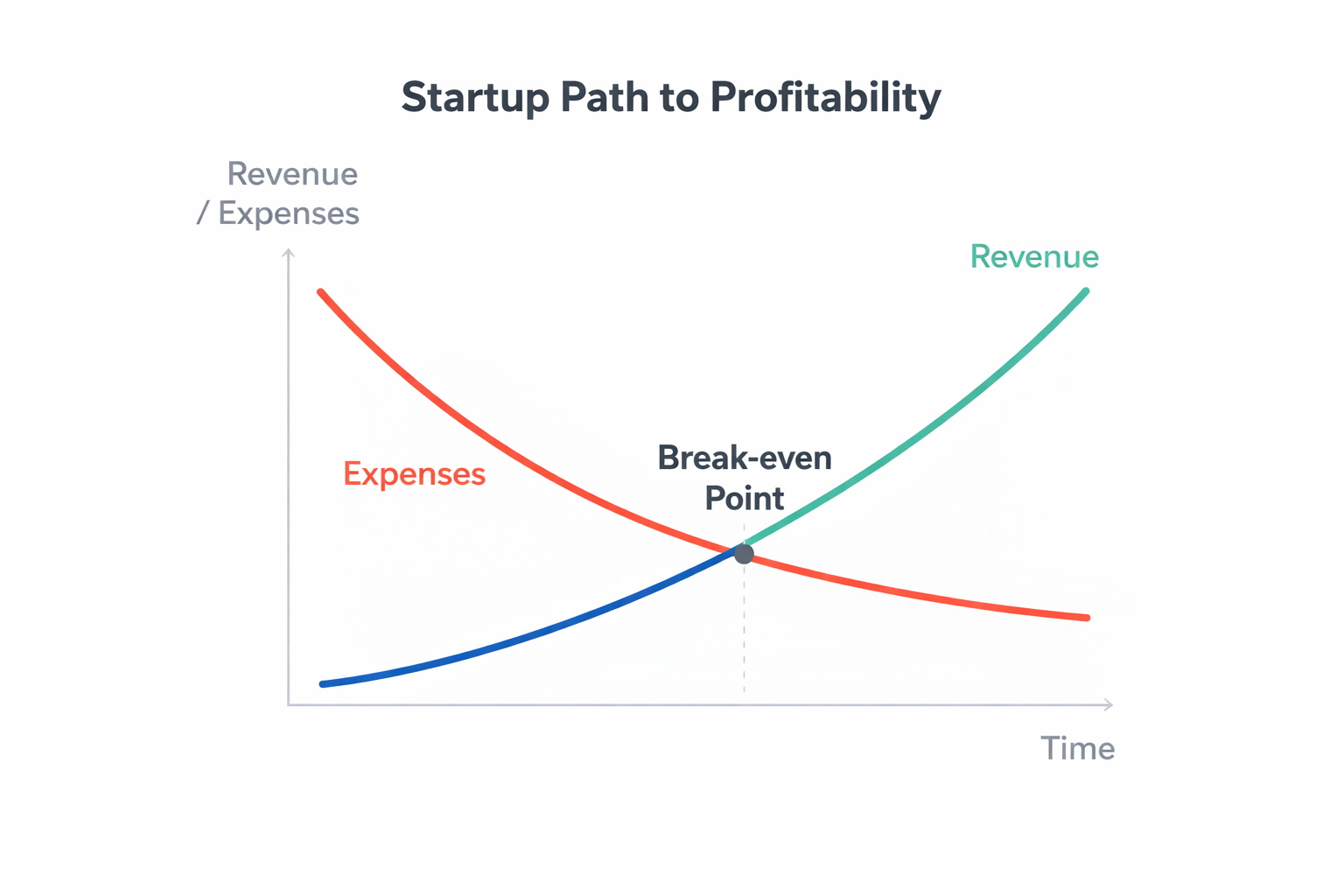
Financial Projections This section scares people, but it’s just educated guessing with numbers. You need three things:
- Startup costs – How much money do you need to launch?
- Monthly operating expenses – What does it cost to keep the lights on?
- Revenue forecast – When will you break even and start making profit?
Use conservative estimates. Investors (and your future self) will thank you for being realistic rather than optimistic.
Operational Plan How will you actually deliver your product or service? This includes:
- Your daily operations and workflows
- Technology and tools you’ll use
- Key partnerships or suppliers
- Compliance and legal requirements
Think of this as your instruction manual for running the business day-to-day.
Common Mistakes (And How to Avoid Them)
Mistake #1: Writing a Plan That Nobody Reads Your plan isn’t a creative writing assignment. Use short paragraphs (2-3 lines max), bullet points, and bold key numbers. Make it scannable.
Mistake #2: Ignoring the Competition Saying “we have no competitors” is the fastest way to lose credibility. Every business has competition, even if it’s just the status quo. 47% of businesses fail because they misunderstood their market—don’t be a statistic.
Mistake #3: Treating It Like a One-Time Document Your business plan should evolve as your business grows. Review and update it quarterly—especially the financial projections and market analysis.
Mistake #4: Skipping the Research You can’t fake market knowledge. Data from 2025 shows that businesses using data-driven decision making are 5% more productive and 6% more profitable. Put in the work upfront.
Templates and Tools to Get Started Fast
You don’t need to reinvent the wheel. Here are proven resources:
Free Templates:
- Small Business Administration (SBA) offers free downloadable templates
- SCORE provides mentoring plus planning tools
- Bplans has industry-specific examples
Planning Software:
- LivePlan (great for financial projections)
- Enloop (AI-assisted writing)
- Bizplan (visual, drag-and-drop interface)
The tool matters less than actually doing the work. Pick one and start writing.

How Long Should This Take?
For a lean startup plan: 2-4 hours of focused work For a traditional plan: 20-40 hours spread over 2-3 weeks
Don’t overthink it. The goal is to think through your business systematically, not to write a bestseller.
What Happens After You Write It?
Here’s where most people mess up: they write the plan, put it in a drawer, and never look at it again. That’s like buying a gym membership and never showing up.
Use your plan as a living document:
- Review monthly to track progress against goals
- Update quarterly as you learn what works
- Share relevant sections with your team
- Revisit before making major decisions
Research shows that companies that regularly review their plans are 12% more likely to hit growth targets. That’s not magic—it’s accountability.
How Long Should This Take?
For a lean startup plan: 2-4 hours of focused work For a traditional plan: 20-40 hours spread over 2-3 weeks
Don’t overthink it. The goal is to think through your business systematically, not to write a bestseller.
What Happens After You Write It?
Here’s where most people mess up: they write the plan, put it in a drawer, and never look at it again. That’s like buying a gym membership and never showing up.
Use your plan as a living document:
- Review monthly to track progress against goals
- Update quarterly as you learn what works
- Share relevant sections with your team
- Revisit before making major decisions
Research shows that companies that regularly review their plans are 12% more likely to hit growth targets. That’s not magic—it’s accountability.
