

Starting a business in 2026 is both easier and harder than ever before.
Easier because the barriers to entry have collapsed. You don’t need a storefront, inventory, or even employees to build something real. 47% of startups fail within three years, but it’s not because people can’t build products anymore.
They fail because they can’t find customers.
Here’s the thing most people miss: the best business idea isn’t the one with the coolest product. It’s the one that solves a real problem for people willing to pay. Period.
This guide breaks down 25+ validated business ideas across different categories. Some need zero capital. Others require a bit of investment. All of them are proven to work in 2025’s market.
Whether you’re a student with no money, a professional looking to escape the 9-to-5, or someone in the UK searching for local opportunities, you’ll find something here that fits.
Let’s dive in.
Why Most Business Ideas Fail (And How to Avoid It)
Before we jump into the list, let’s talk about why 90% of startups don’t survive past 10 years.
The problem? Most people fall in love with their idea before validating it with real customers.
They spend six months building a product nobody wants. They drain savings on inventory that doesn’t sell. They create courses nobody buys.
The fix is simple: sell before you build.
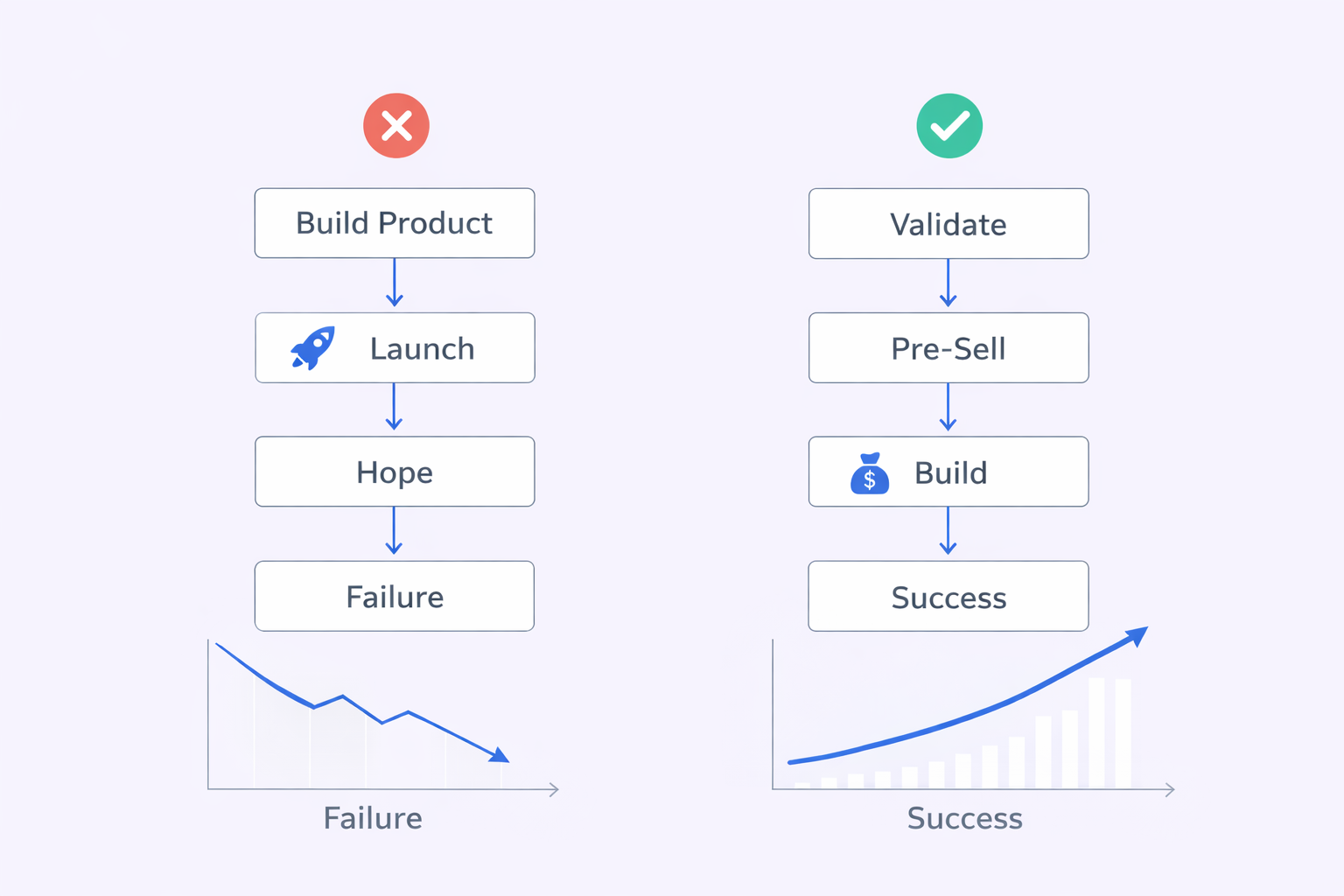
Talk to potential customers first. Get them to commit money (even a small deposit) before you invest time or capital. This “pre-sell” approach flips the traditional startup model on its head.
Instead of: Build → Launch → Hope People Buy
Do this: Validate → Pre-Sell → Build → Deliver
This one shift changes everything. You’re not gambling anymore. You’re building something people already want.
Starting a Business Ideas: 25+ Proven Concepts
Service-Based Business Ideas
Service businesses are the fastest path to revenue. Why? Zero inventory, low overhead, and you get paid before delivering.
The service economy generated £426 billion in 2024 in the UK alone. There’s massive demand.
1. Lead Generation Agency
This is the gold mine for anyone who understands outbound marketing.
The model: You help B2B companies book qualified meetings through cold email, LinkedIn outreach, and calling. You charge $2,000-$5,000/month per client.
Why it works: Every business needs customers. Cold email delivers an average ROI of $36-$42 for every $1 spent. Companies will pay premium rates for qualified leads.
Startup cost: $300-$500/month (tools, domains, email infrastructure)
If you’re serious about generating leads for clients or your own business, mastering cold email software is non-negotiable. The right tools make the difference between spam and sales.
2. Social Media Management
Small businesses know they need to be on social media. They just don’t have the time.
60% of emails are now opened on mobile devices, which means your social content needs to be mobile-optimized too. Most business owners have no idea how to do this.
The opportunity: Run Instagram, LinkedIn, or Facebook for local businesses. Charge $500-$2,000/month per client.
What you’ll do: Create posts, respond to comments, run basic ads, track analytics.
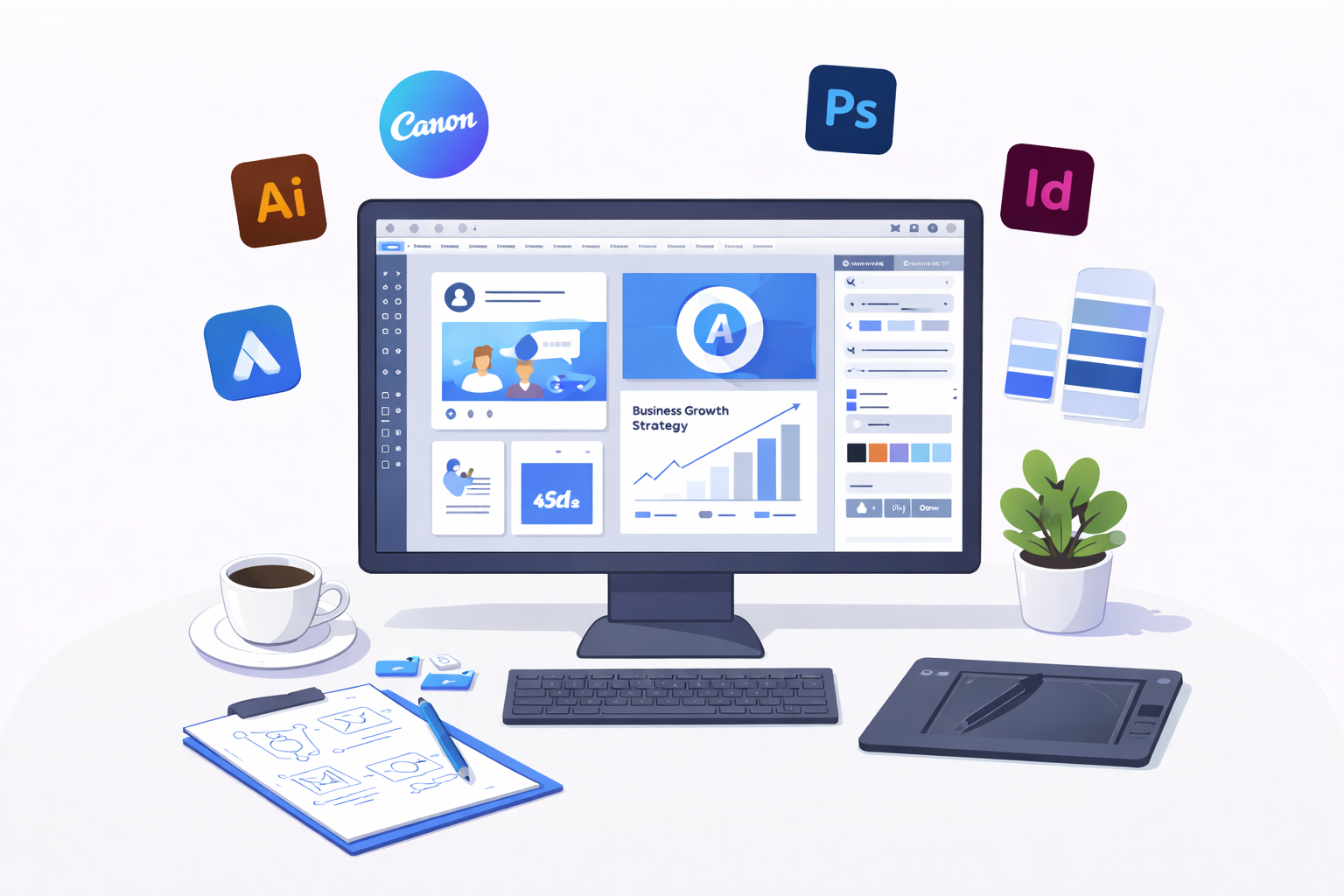
6. Graphic Design Services
Visual content drives engagement. Posts with images get 650% higher engagement than text-only posts.
Every business needs:
- Social media graphics
- Presentation decks
- Marketing materials
- Website design
Tools like Canva make design accessible, but most business owners still don’t have the time or skill to create professional assets.
Pricing: $50-$150 per graphic, $500-$5,000 for comprehensive brand packages
7. Personal Training & Fitness Coaching
The global fitness industry hit $96 billion in 2024. Post-pandemic, people value health more than ever.
You don’t need a gym. Virtual training lets you work with clients worldwide.
Service options:
- 1-on-1 virtual training: $50-$150/session
- Group fitness classes: $20-$40/person
- Nutrition coaching: $100-$300/month
- Custom workout plans: $50-$200/month
Success factor: Specialize. “Weight loss for busy moms” beats “general fitness coach.”
8. Bookkeeping & Accounting
Every business needs financial management. Most small business owners hate it.
Poor data quality costs businesses an average of $15 million annually according to Gartner. Clean books prevent disasters.
Requirements: Basic accounting knowledge, QuickBooks or Xero proficiency
Pricing: $300-$2,000/month per client depending on complexity
You can start while keeping your day job and scale to 20-30 clients within a year.
Digital Product Business Ideas
Digital products scale infinitely. Create once, sell forever.
9. Online Courses
The e-learning market reached $315 billion in 2024 and continues growing.
The model: Package your expertise into video lessons, PDFs, and templates. Sell for $50-$2,000.
Platforms: Teachable, Kajabi, Gumroad, Thinkific
Marketing tip: Don’t build the full course first. Sell a “beta cohort” at 50% off, collect feedback, then create the evergreen version.
10. Digital Templates & Tools
People pay for time-savers.
Popular templates:
- Spreadsheet trackers (budget, habits, goals)
- Presentation decks
- Resume templates
- Email templates
- Social media content calendars
Price: $5-$50 per template
Where to sell: Etsy, Gumroad, Creative Market
One creator makes $8,000/month selling Notion templates. The overhead? $0 after creation.
11. Stock Photography/Videography
60% of marketers say video is their most effective content format.
Businesses need visual assets constantly.
What sells:
- Business stock photos
- Video clips for ads
- Background music
- Graphics and illustrations
Platforms: Shutterstock, Adobe Stock, Pond5
Upload once, earn residual income forever.
E-Commerce & Product-Based Business Ideas
Physical products require more capital but can scale massively.
12. Dropshipping
You sell products without holding inventory. When someone buys, you order from a supplier who ships directly.
The economics: Product costs $10, you sell for $30, supplier ships it. You keep the $20 margin.
Challenge: Competition is fierce. Focus on high-ticket items ($200+) rather than cheap gadgets.
Startup cost: $500-$2,000 (website, ads, samples)
13. Print-on-Demand
Similar to dropshipping, but for custom designs.
Products: T-shirts, mugs, phone cases, posters, notebooks
The model: You design graphics. Services like Printful print and ship when someone orders.
Profit margin: 20-40% per item
Marketing: Social media ads targeting specific niches (dog lovers, nurses, gamers)
14. Subscription Boxes
Recurring revenue is king. The subscription economy grew to $275 billion in 2024.
Popular niches:
- Snack boxes
- Beauty products
- Pet supplies
- Book clubs
- Craft materials
Key metric: Customer Lifetime Value must be 3x+ your acquisition cost.
15. Handmade Products
Etsy generated $2.7 billion in revenue in 2024. People love unique, handcrafted items.
What sells:
- Jewelry
- Home decor
- Art prints
- Candles
- Custom gifts
Advantage: Higher margins than mass-produced goods. Less competition from big brands.
For e-commerce businesses, LinkedIn prospecting can be a game-changer for B2B product sales or partnership opportunities.
Technology & Software Business Ideas
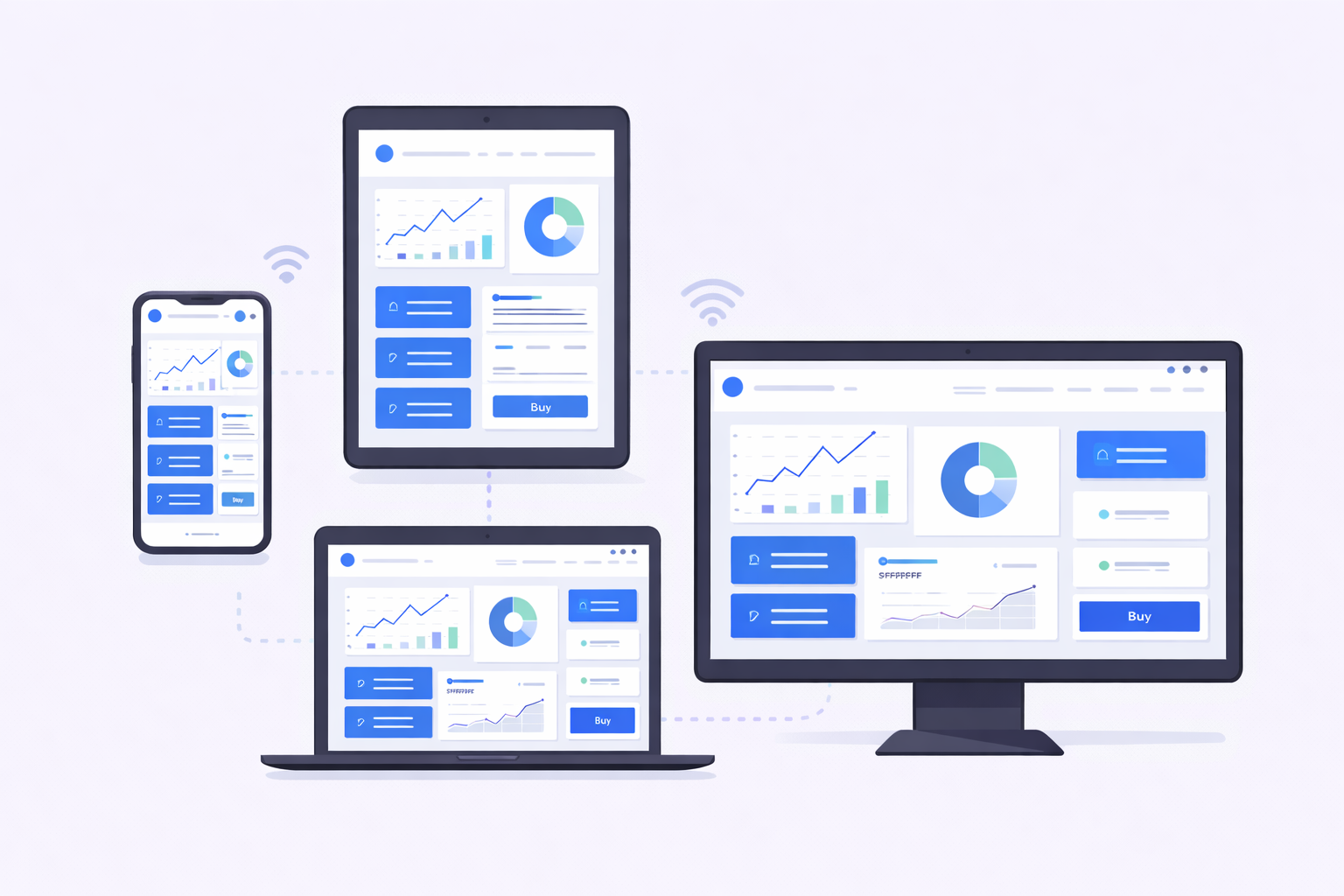
Tech businesses scale the fastest. The barriers are higher, but so are the rewards.
16. SaaS (Software as a Service)
Build software that solves a specific problem. Charge monthly.
Examples:
- Project management tools
- CRM systems
- Automation platforms
- Analytics dashboards
The challenge: Development cost and time. Partner with a technical co-founder or learn no-code tools like Bubble.
Revenue model: $20-$500/month per user
Companies using LinkedIn automation tools save 10-15 hours per week on prospecting. There’s huge demand for time-saving software.
17. App Development
The app economy hit $935 billion in 2024.
Options:
- iOS/Android apps
- Chrome extensions
- Desktop apps
- Web applications
Monetization: Subscriptions, one-time purchases, ads, freemium models
Reality check: Building a successful app is hard. Most fail. Validate obsessively before building.
18. AI Automation Agency
Artificial Intelligence is the biggest opportunity of 2025.
Most businesses want AI but don’t know how to implement it.
What you’ll do:
- Build AI chatbots for customer service
- Automate email responses
- Create AI-powered content systems
- Set up workflow automation
Tools: Make.com, Zapier, Relevance AI, OpenAI API
Pricing: $2,000-$10,000 setup fees + $500-$2,000/month maintenance
You don’t need to code. You need to understand business processes and know which AI tools solve which problems.
Combining AI with LinkedIn message automation creates incredibly powerful outbound systems that work 24/7.
19. Website Development
71% of small businesses have a website, but most need updates, maintenance, or redesigns.
Services:
- Custom websites: $1,000-$20,000
- WordPress sites: $500-$5,000
- Landing pages: $300-$2,000
- E-commerce stores: $2,000-$15,000
Tools: WordPress, Webflow, Shopify, Wix (for clients who want to manage themselves)
Pro tip: Specialize in one platform and one industry. “Shopify stores for fashion brands” beats “websites for everyone.”
Content & Media Business Ideas
If you can create content, you can build a business around it.
20. YouTube Channel
2 billion people use YouTube monthly. The platform pays creators through ads, memberships, and sponsorships.
Revenue streams:
- Ad revenue: $3-$5 per 1,000 views
- Sponsorships: $10-$50 per 1,000 views
- Affiliate commissions: Unlimited
- Product sales: Your offerings
Reality: It takes 6-12 months to build meaningful traction. But once you do, it compounds.
Best niches: Education, entertainment, reviews, tutorials
21. Podcast
Podcasting hit $1.9 billion in ad revenue in 2024.
Monetization:
- Sponsorships
- Premium subscriptions (Patreon)
- Coaching/consulting leads
- Product sales
Startup cost: $200-$500 (microphone, editing software)
Key to success: Consistency and a specific niche. “Business interviews” is too broad. “Interviews with bootstrapped SaaS founders doing $1M-$10M ARR” is perfect.
22. Newsletter/Substack
Email delivers a $36 ROI for every $1 spent. Newsletters are email on steroids.
The model:
- Grow a free email list
- Offer premium subscriptions ($5-$50/month)
- SCTA: Book Now
Local & Brick-and-Mortar Business Ideas
Not everything needs to be digital. Local businesses serve communities and often have loyal customers.ell sponsorships once you hit 5,000+ subscribers
Popular niches: Finance, tech, marketing, health, parenting
Understanding LinkedIn marketing statistics can help you build a B2B-focused newsletter that attracts high-value subscribers.
