Let's Build Your First Campaign Together with our Lead Generation Expert

Lead Generation for Small Business: The Complete 2026 Playbook

Table of Contents

Running a small business means wearing multiple hats. You’re the CEO, the salesperson, the marketer—sometimes all before lunch.

And somewhere in that chaos, you need to figure out how to get more customers through the door. Not just any customers. The right ones. The ones who actually need what you’re selling and have the budget to pay for it.

That’s where lead generation comes in.

But here’s the problem: most advice out there is written for companies with massive marketing budgets and teams of specialists. If you’re bootstrapping or working with a lean team, that stuff just doesn’t apply.

This guide is different. It’s built for small business owners who need practical, affordable strategies that actually work in 2026.

Let’s get into it.

What Lead Generation Actually Means (And Why It Matters)

Lead generation is the process of finding people who might want to buy from you and getting them interested enough to have a conversation.

Think of it as filling a bucket with potential customers. The fuller your bucket, the more opportunities you have to close deals and grow revenue.

For small businesses, this isn’t just a marketing exercise—it’s survival. Data shows the average cost per opportunity across digital channels has hit $391.80 in 2026. That means every lead needs to count.

The game has changed. Broad marketing campaigns that try to reach everyone don’t work anymore. You need precision targeting and personalized outreach to break through the noise.
📧 Email Outreach Feeling Like Guesswork?

Get our complete system: targeting framework, campaign templates, and deliverability optimization that consistently books 15-25 meetings per month.

LinkedIn: Where Decision-Makers Actually Hang Out

Here’s a stat that should make you pay attention: LinkedIn drives 80% of B2B prospects from social media platforms.

If you’re selling to other businesses, you literally cannot afford to ignore it.

But LinkedIn isn’t about posting motivational quotes and hoping someone DMs you. It’s about social selling—building authority and starting real conversations before you ever make a pitch.

The strategy is simple but requires consistency:

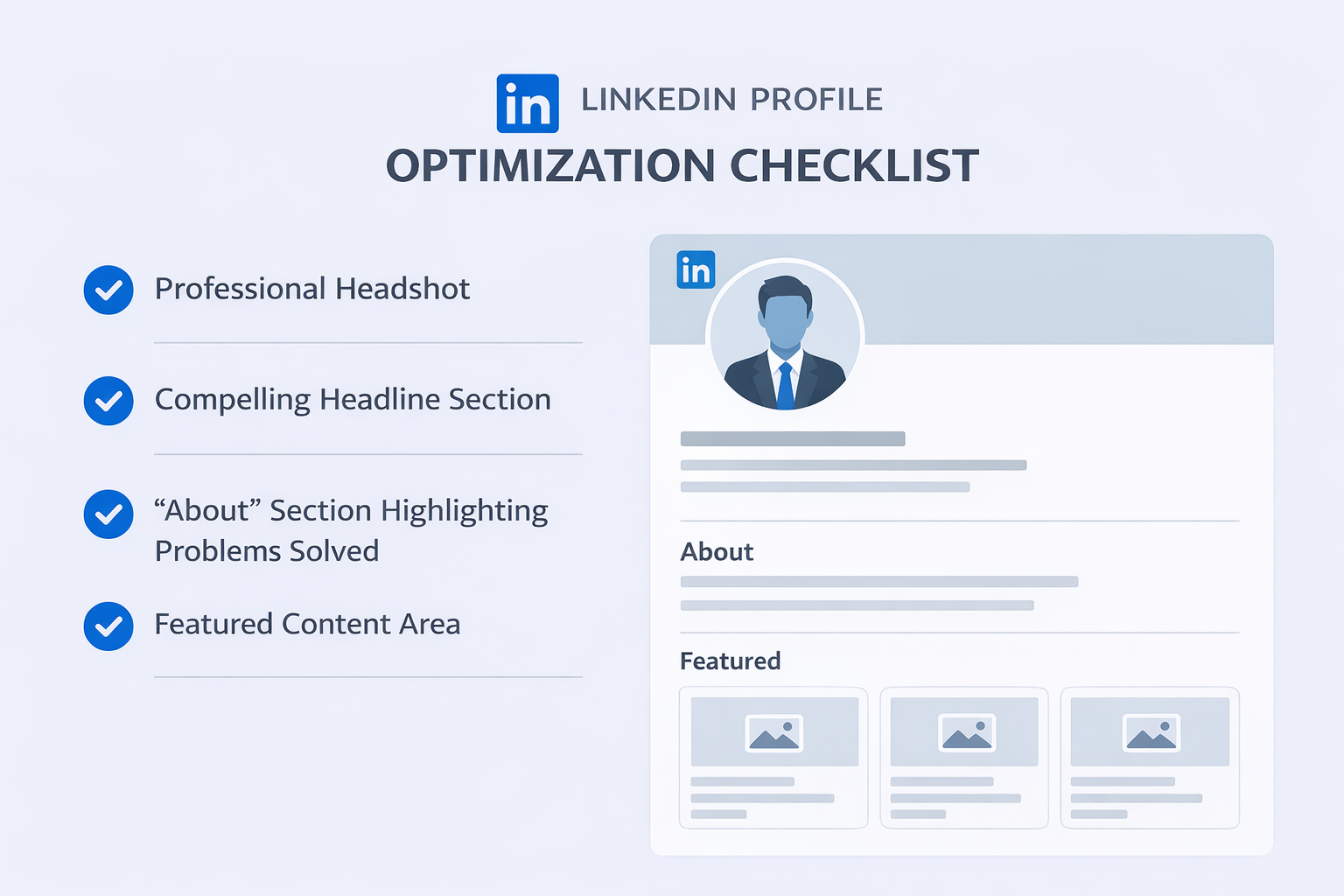
Optimize your profile like it’s a landing page. Make it crystal clear what problems you solve and what results you deliver. Use your headline to speak directly to your ideal customer’s pain points.

Follow the 80/20 rule. Share educational or insightful content 80% of the time. Only promote your services 20% of the time. This builds trust without feeling salesy.

Engage before you pitch. Like or comment on your prospect’s posts for a week before sending a connection request. This dramatically increases acceptance rates and makes your eventual message feel natural instead of spammy.

Use Sales Navigator for precision targeting. Build lists based on job titles, company size, and industry triggers. This is especially powerful when combined with email outreach for a multi-channel approach.

The best part? LinkedIn messages don’t hit spam filters. You’re going directly into someone’s professional inbox where they’re already in “business mode.”

For more on building systematic outreach strategies, explore our targeted outreach framework.
 

Building a Multi-Channel System That Actually Works

Here’s the truth: relying on just one channel is a recipe for inconsistent results.

The best-performing businesses in 2026 use multi-channel sequences that combine email, phone, and social outreach into one cohesive system.

Here’s what that looks like in practice:

Day 1: Send a personalized email referencing something specific about their business.

Day 3: If no response, engage with their LinkedIn content (like or thoughtful comment).

Day 5: Send a LinkedIn connection request with a brief, non-salesy message.

Day 7: Follow up via email with additional value (case study, industry insight, etc.).

Day 10: Make a phone call if you have their number.

This approach works because you’re meeting potential customers where they already are, instead of hoping they stumble across your website.

The key is behavioral triggers—if someone clicks a link in your email, that’s your signal to call them immediately. If they accept your LinkedIn connection, send a thoughtful message within 24 hours.

Automation handles the scheduling and tracking. You focus on the personal touches that close deals.

Tools matter here. Having everything in one place—your contact data, email sequences, LinkedIn activity, call logs—means nothing falls through the cracks.

Check out these resources on building your system: lead generation fundamentals and sales tools for startups that won’t break your budget.

🚀 Multi-Channel Sequences Overwhelming You?

Let us handle the heavy lifting. We’ll build and manage your complete outbound engine across email, LinkedIn, and calls.

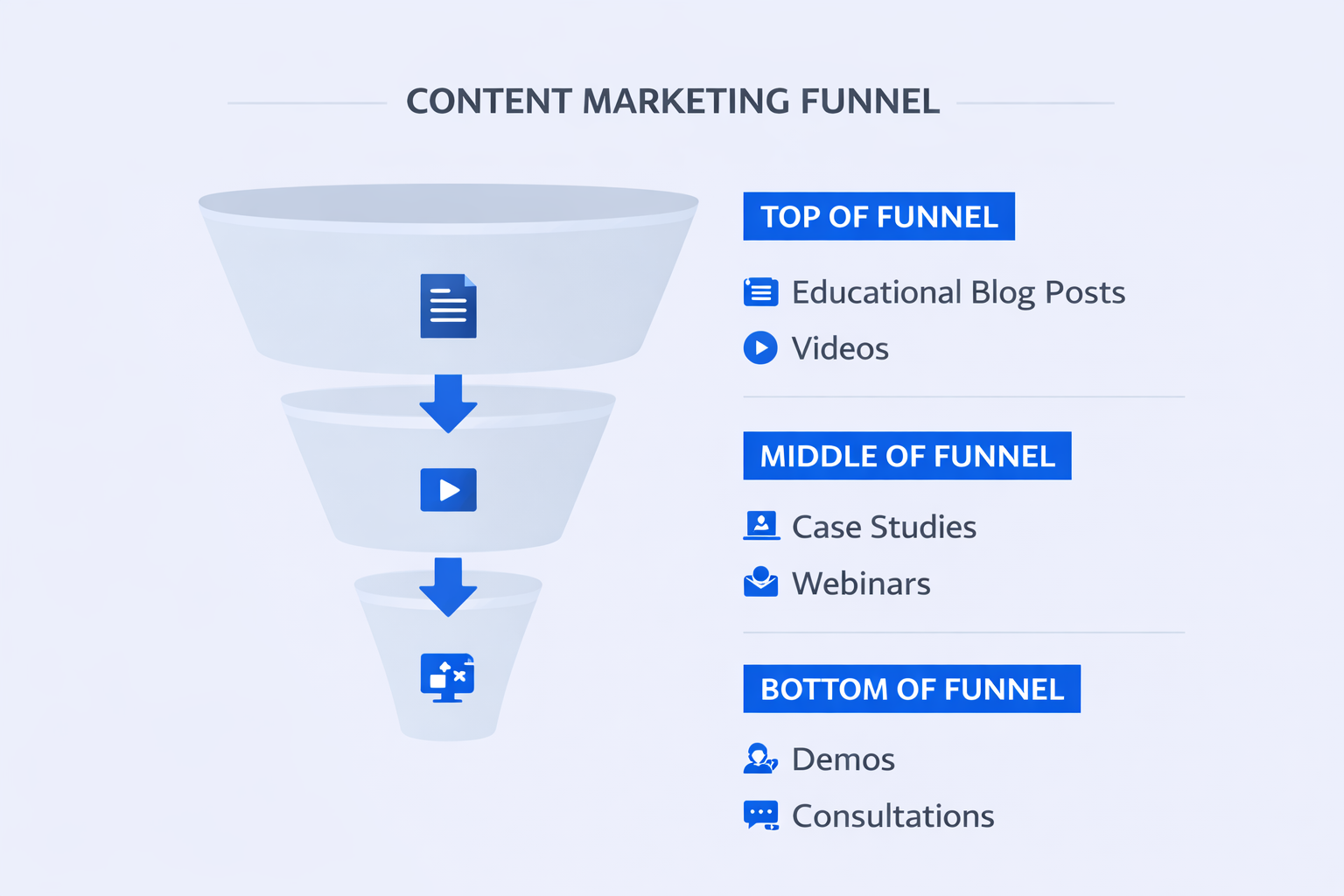
Content That Attracts Instead of Chases

Outbound is critical, but inbound still has its place.

Content marketing is now the third-largest area of investment for B2B marketers, and for good reason—great content attracts buyers who are already looking for solutions.

The mistake most small businesses make? They create generic blog posts that sound like every other company in their space.

Instead, focus on high-value content that answers the real questions your potential customers are asking during sales calls:

Problem-solution stories showing how similar clients overcame specific challenges. These build trust and demonstrate expertise without feeling like a sales pitch.

Industry commentary on recent changes, regulations, or market shifts. Taking a clear position (even a contrarian one) gets attention and starts conversations.

Expert interviews leveraging the authority of others to build credibility for your business. This is especially powerful if you’re early in building your reputation.

The format matters too. In 2026, scannable content wins. That means short paragraphs, bold key numbers, clear subheadings, and visual breaks.

Video content continues to grow. Short-form videos (under 2 minutes) breaking down complex topics perform especially well on LinkedIn and can be repurposed across channels.

For building a sustainable content engine, check out our free sales automation tools that help with scheduling and distribution.


Local Strategies for Businesses Serving Specific Areas

If your business serves customers in a specific geographic area, local lead generation deserves special attention.

The strategy here is different from national or global outreach. You’re focused on dominating “near me” searches and building community relationships.

Google Business Profile optimization is your first priority. High-quality reviews and accurate service descriptions can be the deciding factor when someone’s comparing local providers.

Hyperlocal SEO means creating landing pages and content targeting specific neighborhoods or cities. Someone searching for “[your service] in [specific neighborhood]” should find you immediately.

Community engagement builds trust that online-only competitors can’t replicate. Sponsor local events, participate in community groups (like Nextdoor), or collaborate with other local businesses.

The ROI on local tactics can be incredible because you’re competing against a smaller pool of businesses instead of the entire internet.

📍 Targeting Multiple Markets or Territories?

We build location-specific campaigns with personalized messaging that converts. Complete targeting, creative, and optimization included.

You’ve probably seen a lot of hype about AI in marketing and sales.

Some of it is justified. Some of it isn’t.

Here’s what actually works in 2026: AI-powered personalization at scale.

The problem with traditional outbound is that personalization is time-consuming. You can send personalized emails to 10 people per day. Maybe 20 if you’re really efficient.

AI changes that equation. You can now research prospects and personalize subject lines and opening lines for hundreds of people per day without sacrificing quality.

The results? Businesses using AI for personalization see conversion improvements up to 37%. That’s not marginal—that’s game-changing.

AI also helps with timing optimization, subject line testing, and follow-up sequencing. The technology handles the repetitive analysis while you focus on strategy and closing conversations.

But here’s the caveat: AI is a tool, not a replacement for strategy. You still need to know your ideal customer, craft compelling offers, and have a clear value proposition.

The businesses winning with AI are using it to execute better, not to avoid doing the strategic work.

🤖 Want AI-Powered Outreach Without the Tech Headaches?

We combine AI precision with human strategy. You get personalized campaigns at scale plus expert optimization and ongoing management.

7-day Free Trial |No Credit Card Needed.

Measuring What Matters (KPIs You Can’t Ignore)

Here’s something nobody talks about enough: most small businesses track the wrong metrics.

They obsess over email open rates or LinkedIn profile views, when those numbers don’t directly correlate to revenue.

Focus on these instead:

Meetings booked (qualified conversations with potential customers). This is your primary leading indicator of future revenue.

Cost per opportunity. If you’re spending $400 to generate an opportunity but your average deal size is $300, you’ve got a problem.

Conversion rate from qualified lead to closed deal. Industry benchmarks vary, but for B2B services, 10-12% is typical.

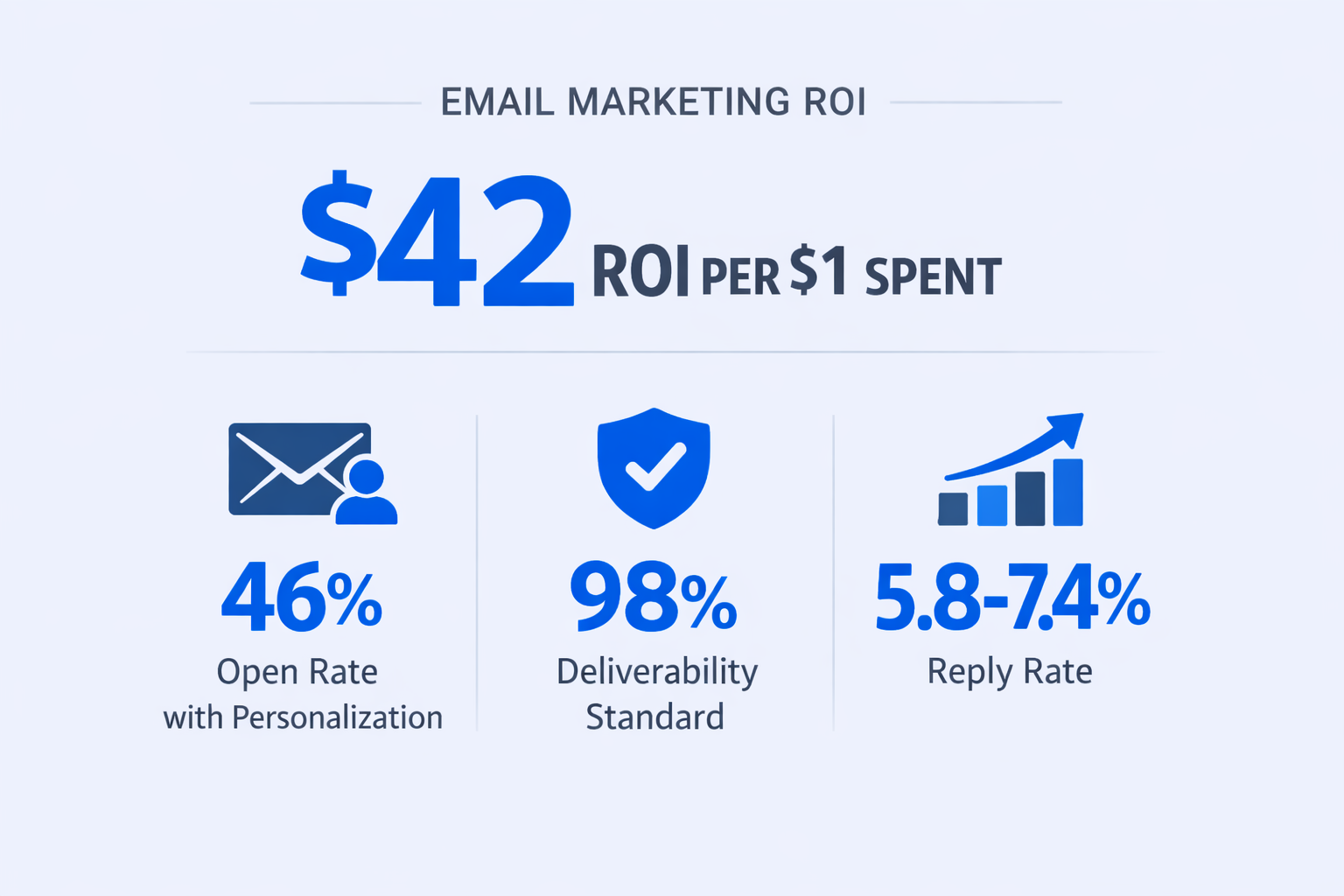
System deliverability (for email outreach). Keep this above 98%. Anything lower means technical problems that will kill your results.

Response rate on cold outreach. Aim for 7-10% on cold email, higher on LinkedIn where you’ve engaged first.

Set up a simple dashboard tracking these weekly. When numbers dip, you’ll spot problems early instead of wondering why revenue is down three months later.

The best part about these metrics? They’re all actionable. Low response rate? Test new messaging. High cost per opportunity? Refine your targeting. Deliverability dropping? Fix your technical setup.

Common Mistakes That Kill Lead Generation Efforts

Let’s talk about what not to do.

Mistake #1: Spraying and praying. Sending mass, unpersonalized messages to unverified lists results in high bounce rates and gets your domain blacklisted. One bad campaign can ruin your email reputation for months.

Mistake #2: Inconsistent activity. Running outreach for two weeks, then stopping for a month, then starting again doesn’t work. Pipeline generation requires consistent inputs.

Mistake #3: No follow-up system. Most deals happen after 5-7 touchpoints, but most people give up after 1-2. You need a structured follow-up sequence.

Mistake #4: Ignoring data quality. Using outdated or incorrect contact information wastes time and money. Invest in reliable data sources or verification tools.

Mistake #5: Pitching too early. Leading with features and pricing before understanding the prospect’s situation is the fastest way to get ignored.

Avoiding these mistakes is often more valuable than implementing new tactics. Sometimes the path to better results is just stopping the things that don’t work.

How SalesSo Solves the Lead Generation Problem

Look, we get it.

You’re running a business. You don’t have time to become an expert in email deliverability, LinkedIn algorithms, and cold calling scripts.

That’s exactly why we built SalesSo.

We’re a lead generation agency specializing in cold email, cold LinkedIn outreach, and cold calling. But we’re not just a vendor who sends messages on your behalf.

We build complete systems.

That means:

Targeting strategy: We help you define exactly who to reach based on your ideal customer profile, then build verified lists of prospects who match.

Campaign design: We craft messaging that resonates with your audience, test variations, and optimize based on real performance data.

Scaling infrastructure: We handle all the technical setup—domains, warming, deliverability monitoring, CRM integration—so you don’t have to think about it.

Ongoing optimization: We track performance, identify what’s working, and continuously improve your campaigns.

The result? 15-25% response rates on LinkedIn outreach (compared to 5-8% for typical cold email) and qualified meetings booked

consistently every month.

We work with small businesses and startups who need predictable pipeline growth without hiring an entire sales development team.

If that sounds like you, let’s talk.

Conclusion

Lead generation for small businesses in 2026 isn’t about tricks or hacks.

It’s about building systematic processes that consistently identify, engage, and convert the right prospects.

Email still delivers the highest ROI when done correctly. LinkedIn provides direct access to decision-makers. Multi-channel sequences create multiple touchpoints that build trust. Content attracts inbound interest. Local tactics dominate geographic markets.

The businesses that win are the ones that:

  1. Know exactly who they’re targeting (ideal customer profile)
  2. Use multiple channels strategically (not randomly)
  3. Personalize outreach at scale (with AI assistance)
  4. Track the right metrics (meetings and pipeline, not vanity numbers)
  5. Stay consistent even when results are slow

You don’t need a massive budget or a huge team. You need a proven system and the discipline to execute it consistently.

That’s what separates businesses with unpredictable revenue from those with full pipelines and confident forecasts.

Ready to build yours?

FAQs

What's the most cost-effective lead generation strategy for small businesses in 2026?

Cold email with LinkedIn outreach delivers the best ROI. Email provides $36-$42 per dollar spent, while LinkedIn gives direct decision-maker access.

How many touchpoints does it take to generate a qualified lead?

Industry data shows 5-7 touchpoints across multiple channels before prospects respond. Consistency and follow-up are critical.

Should small businesses focus on inbound or outbound lead generation?

Both. Outbound provides predictable, immediate results. Inbound builds long-term brand authority. Successful businesses integrate both approaches systematically.

How can I improve my cold email response rates?

Personalize subject lines (+26% open rate), use individual sender names (+27% opens), optimize send timing, maintain 98%+ deliverability.

What metrics should I track for lead generation success?

Focus on meetings booked, cost per opportunity, lead-to-customer conversion rate (10-12% for B2B), and email deliverability (98%+ target).

We deliver 100–400+ qualified appointments in a year through tailored omnichannel strategies

What to Build a High-Converting B2B Sales Funnel from Scratch

Lead Generation Agency

Build a Full Lead Generation Engine in Just 30 Days Guaranteed