
But here’s the thing: understanding the problem is the first step to navigating it. Whether you’re on the hiring side trying to create a fairer process, or you’re job-hunting and want to know what you’re up against, this guide breaks down the real hiring based on looks statistics that shape the job market in 2026.
Hiring Based on Looks Statistics 2026
The Numbers Behind the Beauty Premium
Let’s start with the most shocking stat: attractive employees earn 5-10% more than their average-looking peers. But here’s what most people miss—the penalty for being considered “unattractive” is even steeper. Those rated below average earn 9-15% less.
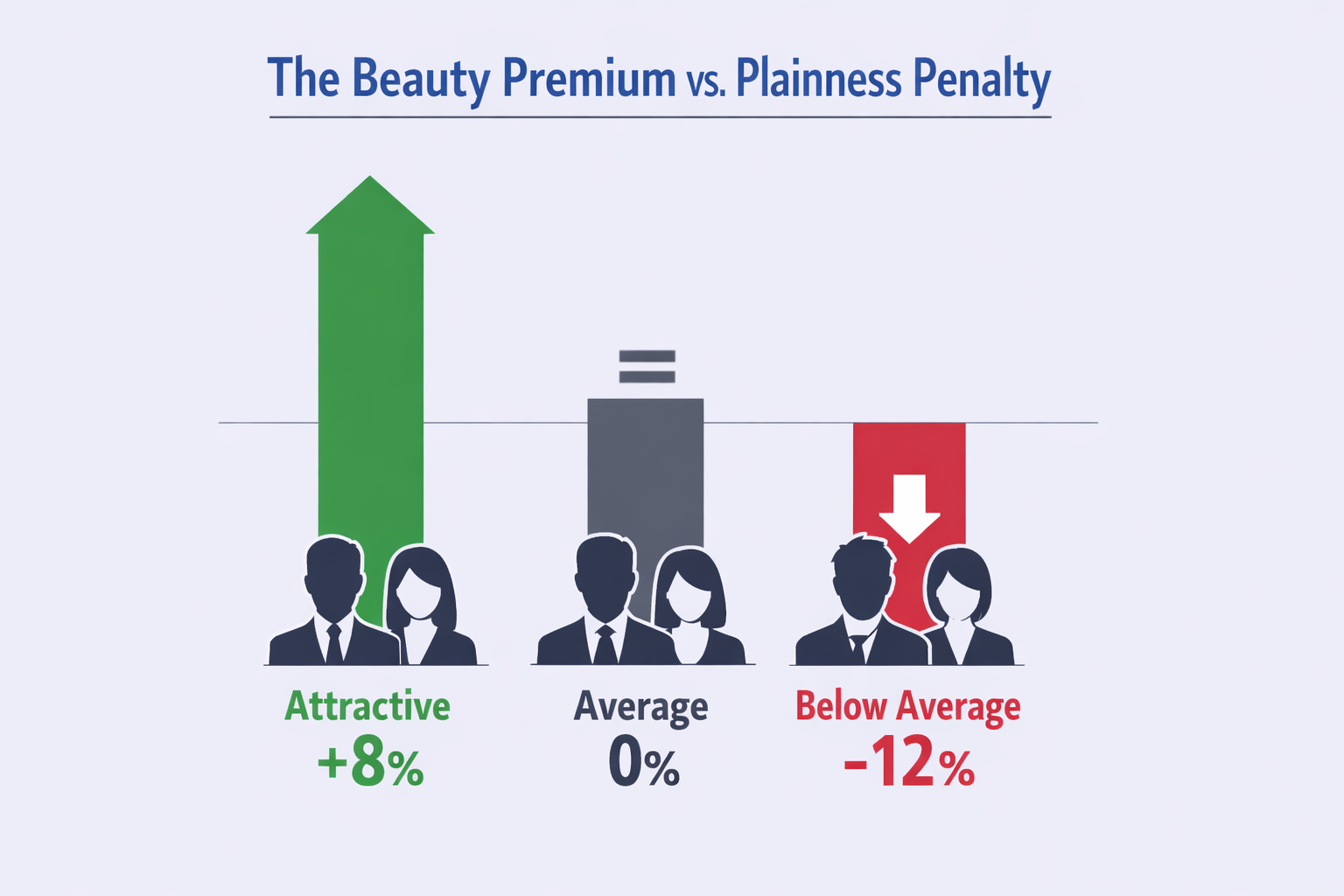
Think about what that means over a career. If you’re making $60,000 a year, that’s potentially $9,000 less annually just because of how you look. Over 30 years, that’s $270,000 in lost wages. That’s not pocket change—that’s retirement money.
And it gets worse. In the MENA region, 83.4% of professionals explicitly link physical appearance to workplace success. That’s not subtle bias—that’s openly acknowledged discrimination.
The Height and Weight Factor
Here’s where things get really specific. For every extra inch of height, men earn an additional $789 per year. Taller individuals aren’t just more visible in a crowd—they’re more visible in the job market too.
Meanwhile, weight discrimination remains what researchers call “the last acceptable prejudice.” Obese women face a wage penalty exceeding $8,600 per year. For men, the penalty exists but it’s significantly lower. The double standard is real and measurable.
The height bias is particularly visible in leadership roles. While only 3.9% of American men are 6’2″ or taller, approximately 30% of Fortune 500 CEOs fall into this height category. That’s not coincidence—that’s systematic preference for a specific physical attribute that has nothing to do with job performance.
The Psychology Behind the Bias
Why does this happen? It comes down to something psychologists call the “Halo Effect.” When someone looks attractive, our brains automatically assume they’re also intelligent, competent, and trustworthy. It’s a cognitive shortcut that made sense thousands of years ago but creates massive problems in modern hiring.
Here’s how it plays out in real interviews: an attractive candidate stumbles on a question, and the interviewer thinks “they’re just nervous.” An unattractive candidate makes the same mistake, and suddenly it’s “they’re unprepared.”
The bias happens so fast that most hiring managers don’t even realize they’re doing it. Your brain makes a judgment in less time than it takes to blink, and everything that comes after is filtered through that initial impression.
The rise of AI in recruitment was supposed to fix bias. Instead, it often codifies it. AI systems trained on historical hiring data learn to prefer candidates who look like past successful hires. If your top performers were all white males aged 25-35, guess what the AI starts filtering for?
Soft Skills and Appearance Bias
Here’s where things get particularly tricky. The modern job market obsesses over soft skills—communication, leadership, emotional intelligence. These matter. But here’s the problem: attractive people are consistently rated higher on soft skills even when objective measures show no difference.
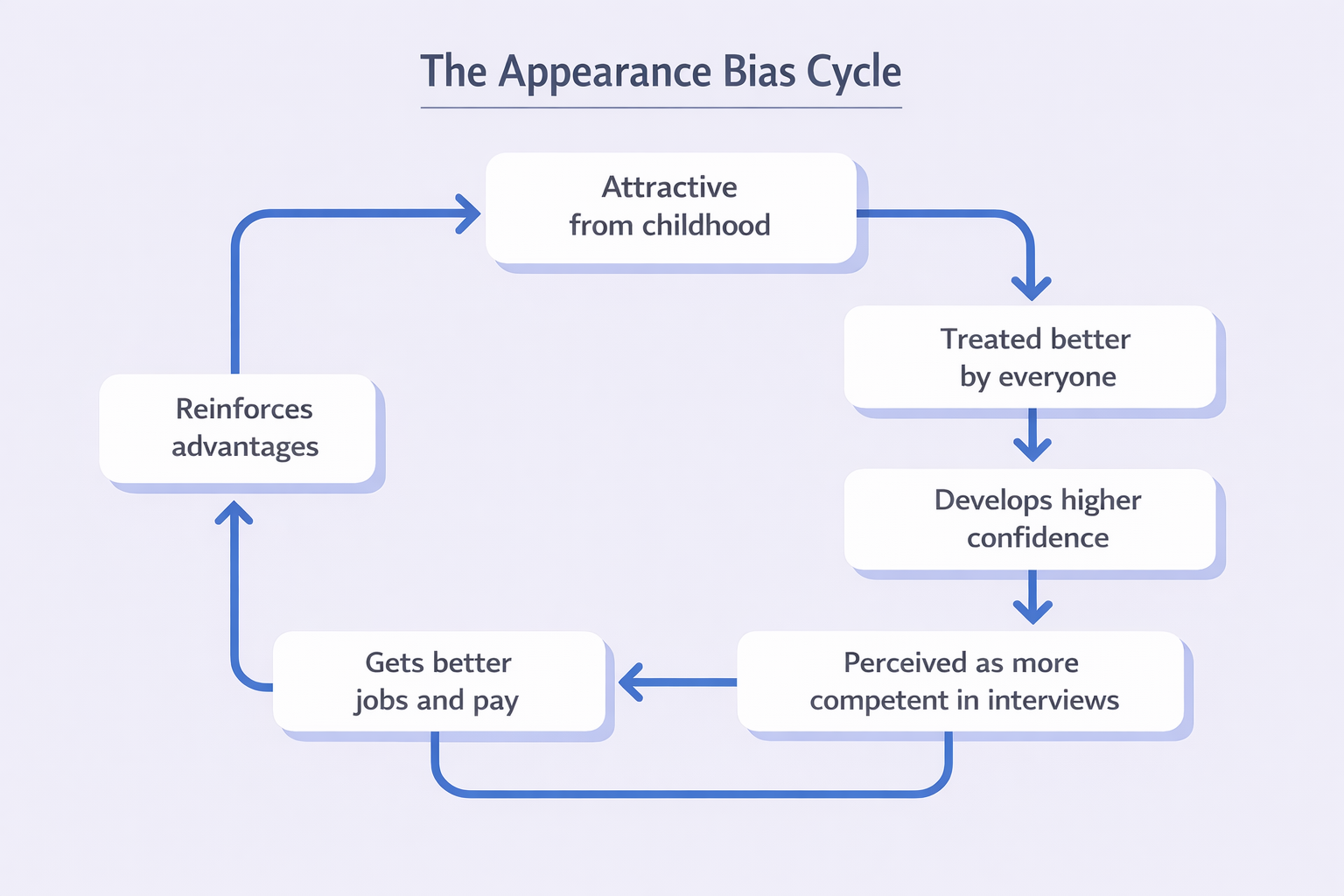
This creates a vicious cycle. Because attractive people are treated better throughout their lives, they often do develop higher confidence and better social skills. Then hiring managers see that confidence and think “great soft skills,” never realizing the confidence itself came from years of positive reinforcement based on appearance.
When you’re in behavioral interviews, the STAR method is supposed to focus on actions and results. But even with structured frameworks, bias creeps in. An attractive candidate’s story gets coded as “charismatic leadership” while an identical story from an unattractive candidate becomes “aggressive micromanagement.”
The Culture Fit Smokescreen
“Culture fit” has become the ultimate hiding place for appearance bias. When someone doesn’t “fit the culture,” what does that actually mean?
Often, it means they don’t look like everyone else. If your culture is young, fit, and trendy (hello, tech startups), then older candidates, overweight candidates, or anyone who doesn’t match the aesthetic gets filtered out for “culture” reasons.
The data backs this up: 76.4% of respondents in one global survey believe employers make hiring decisions based on physical appearance. But very few companies would ever put that in writing.
Regional Differences That Matter
The way appearance bias plays out varies dramatically by region:
- MENA region: The most explicit, with 83.4% linking appearance to success
- US/Europe: More covert, hidden behind terms like “executive presence”
- Asia-Pacific: Highly specific, with resume photos and height requirements still common
But the underlying bias? It’s everywhere. No region is immune, even if some are more honest about it than others.
What’s Changing (Slowly)
There is some good news. Blind hiring initiatives are doubling year-over-year. More companies are using work sample tests instead of traditional interviews. Skills-first hiring is gaining traction.
The CROWN Act, which prohibits discrimination based on hair texture and protective styles, has passed in over 40 states. Weight discrimination laws are emerging in cities like New York.
Progress is happening. But it’s slow. And until appearance becomes a protected class (which it isn’t in most places), the bias will continue operating in the shadows.
The Real Cost
Let’s bring this back to reality. If you’re someone who doesn’t fit conventional beauty standards, you’re facing:
- Lower starting salaries
- Slower promotion rates
- Fewer callback interviews
- Increased scrutiny during interviews
- Higher bar for proving competence
None of this is fair. None of this is right. But it’s the market you’re operating in.
How to Navigate It
If you’re job hunting, here’s what actually works:
Optimize your digital presence: Professional headshots matter. Good lighting matters. It shouldn’t be this way, but it is.
Leverage referrals: A warm intro bypasses the initial appearance scan. When someone vouches for you, hiring managers actually look at your work and credentials.
Target skills-first companies: Look for employers using blind resume reviews or work sample tests. They exist, and they’re growing.
Master your narrative: Practice telling your story so compellingly that initial impressions fade into the background.
If you’re a hiring manager, you have the power to change this:
Use structured interviews with scoring rubrics Implement blind resume screening Focus on work samples over culture fit Train your team on unconscious bias Track your metrics and hold yourself accountable
The Bottom Line
Hiring based on looks is real, pervasive, and expensive—both for individuals and for companies missing out on great talent. The stats don’t lie: appearance affects who gets hired, how much they get paid, and how fast they move up.
But knowledge is power. Understanding the bias is the first step to either navigating it as a candidate or eliminating it as an employer. The job market in 2026 is slowly evolving toward skills-first hiring, but we’re not there yet.
In the meantime, play the game smartly. Optimize what you can control, leverage networks that bypass appearance bias, and never let someone else’s shallow judgment define your worth.
Conclusion
The statistics on hiring based on looks paint an uncomfortable picture. From the 70% of employees who acknowledge appearance bias to the $8,600 wage penalty faced by obese women, the numbers reveal a job market still heavily influenced by how candidates look rather than what they can do.
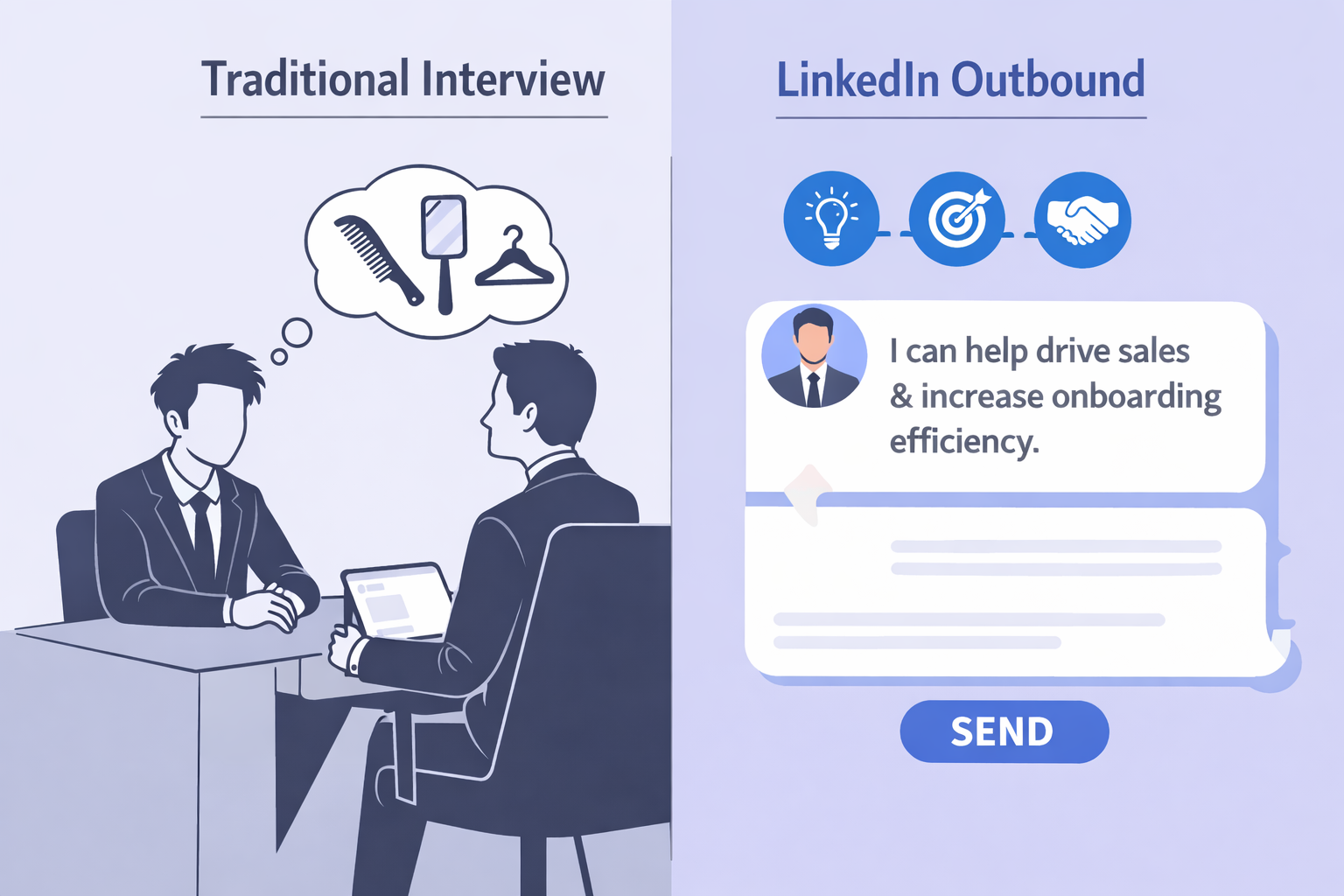
But here’s the silver lining: awareness is spreading. Companies are slowly adopting blind hiring practices, skills-first frameworks, and structured interview processes that reduce bias. The rise of remote work and LinkedIn networking also creates new pathways that can bypass traditional appearance-based gatekeeping.
The key is knowing what you’re up against and taking strategic action. Whether that means optimizing your professional presentation, leveraging referral networks, or targeting companies with proven fair hiring practices—you have more control than you think.
The future job market will be fairer. Until then, work the system, don’t let the system work you.

