
🎉Find Prospects and Send Cold Emails & LinkedIn Outbound | All in One Place

Phishing Email Statistics 2024: The Complete Guide

Table of Contents

Phishing Email Statistics

  • Over 361 billion emails are sent and received globally every single day – projected to climb to 424 billion by 2028, creating a massive volume of digital traffic
  • 4.48 billion email users worldwide – more than half the global population checking their inbox regularly
  • Nearly half of all global email traffic is spam at 46.8% – with some analyses placing this figure as high as 56.5%
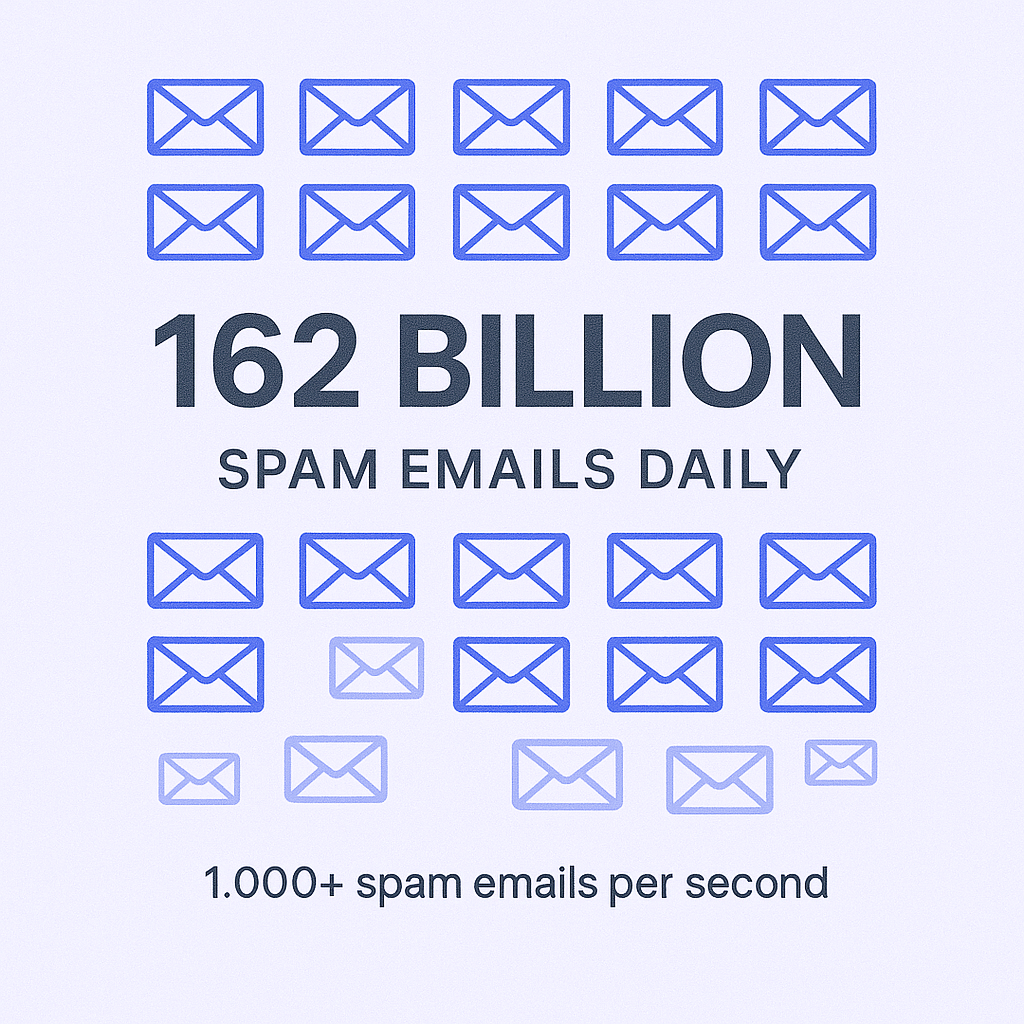
  • 162 billion spam emails sent every single day – that’s over 1,000 spam emails per second, flooding inboxes around the clock
  • 3.4 billion phishing emails are sent every single day – making your inbox the primary battlefield for cyberattacks
  • 96% of all phishing attacks are conducted via email – establishing email as the dominant vector for cybercrime
  • Google blocks approximately 100 million phishing emails daily – and that’s just what their systems catch
  • 57% of organizations face phishing attempts on either a weekly or daily basis – showing the constant threat level
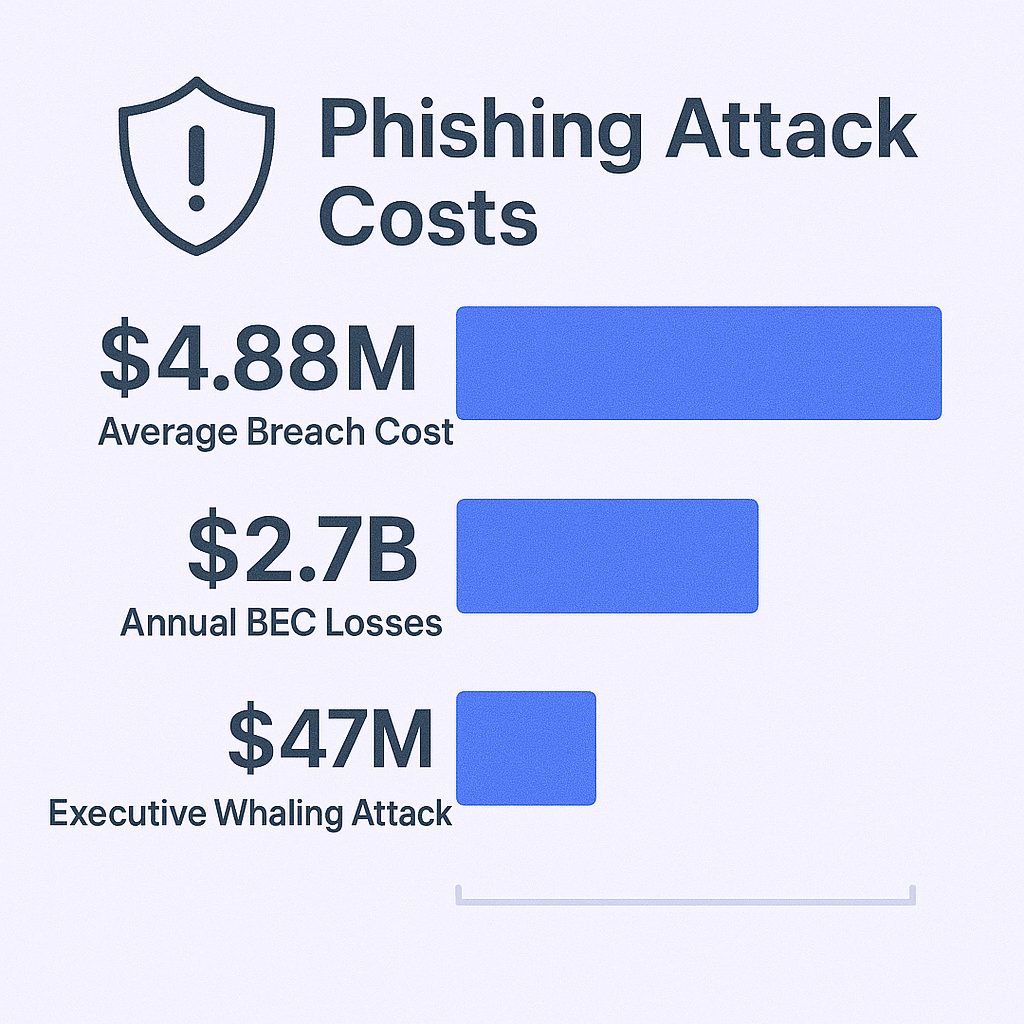
  • Average cost of a data breach from a phishing attack has reached $4.88 million – making email security a business survival issue
  • Business Email Compromise (BEC) scams resulted in losses exceeding $2.7 billion in 2022 in the U.S. alone – showing the massive financial impact
  • Single successful “whaling” attack (targeting executives) can cost a business an average of $47 million – making executive protection critical
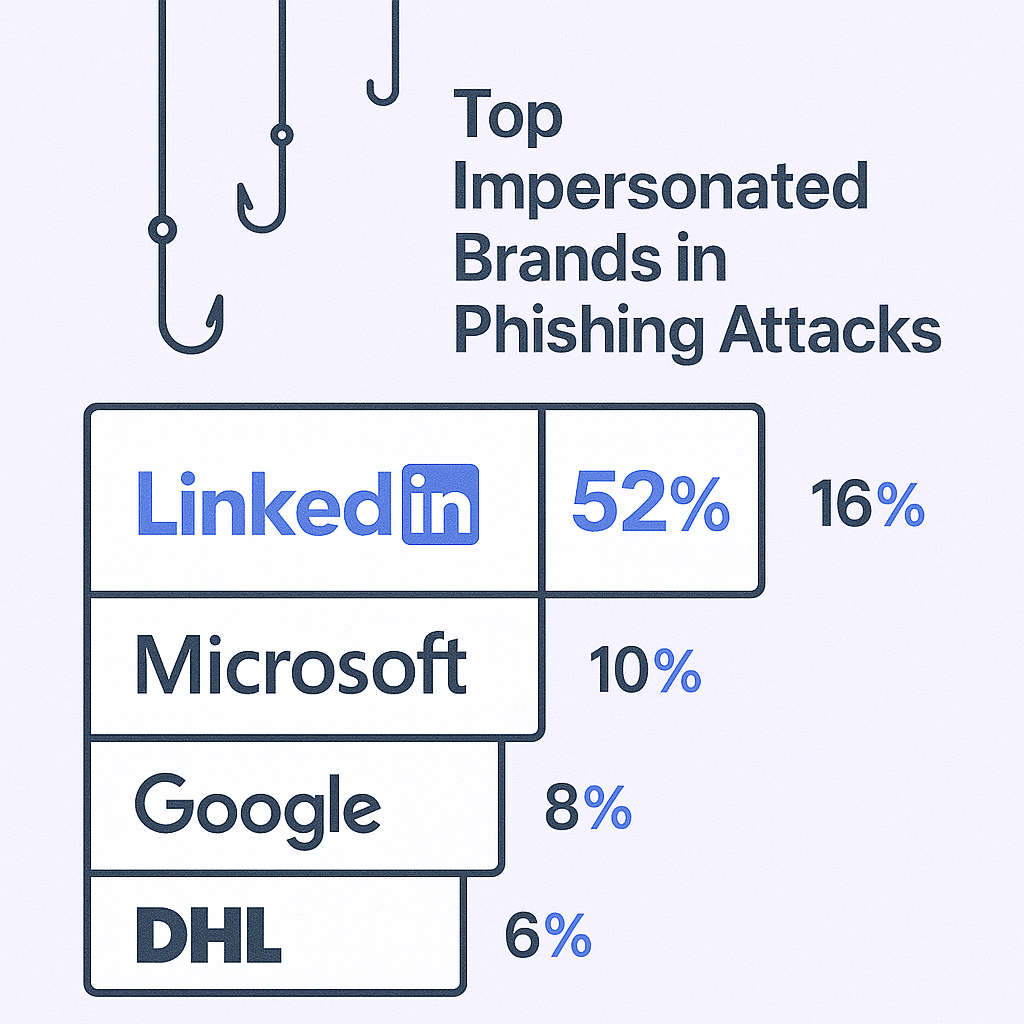
  • LinkedIn is impersonated in 52% of all brand-related phishing attempts – making it the most abused brand globally
  • Since ChatGPT’s public release, malicious email volume has increased by 1,265% – AI is enabling criminals to craft personalized phishing at unprecedented scale
  • 98% of all cyberattacks rely on social engineering – exploiting human psychology rather than technical vulnerabilities
  • Commercial advertising makes up nearly 36% of all spam – representing the annoying but typically not dangerous majority of unwanted emails

Your email inbox is under constant attack. Every day, sophisticated cybercriminals launch 3.4 billion phishing emails worldwide, each one designed to steal your data, hijack your accounts, or drain your bank account.

But here’s what most people don’t realize: understanding these threats isn’t just about staying safe—it’s about mastering the digital landscape that affects everything from your business communications to your daily productivity.

Let’s dive into the eye-opening statistics that reveal just how dangerous—and expensive—the modern email environment has become.

Worldwide Email Spam Statistics

The sheer scale of email traffic today is staggering, and the majority of it is unwanted or malicious.

The Digital Flood

In 2024, we’re drowning in digital noise. Over 361 billion emails are sent and received globally every single day, with projections showing this number will climb to 424 billion by 2028. That’s more than 40 emails for every person on Earth, every single day.

This massive volume is driven by 4.48 billion email users worldwide—more than half the global population. With universal adoption comes universal risk.

Spam Dominates the Inbox

Here’s the shocking reality: Nearly half of all global email traffic is spam. Recent data shows spam messages account for 46.8% of all email traffic, with some analyses placing this figure as high as 56.5%.

This translates to an astronomical 162 billion spam emails sent every single day. To put this in perspective, that’s over 1,000 spam emails per second, flooding inboxes around the clock.


Why This Massive Volume Matters

These numbers have forced every major email provider into a perpetual arms race against spam. Google, Microsoft, and other providers deploy sophisticated algorithms that act as digital gatekeepers, designed to protect users from the daily deluge of threats.

The result? A “guilty until proven innocent” environment for all unsolicited email. Even legitimate business communications face intense scrutiny, making email deliverability a critical challenge for organizations worldwide.
đź“§ Skip the Email Deliverability Battle

Our LinkedIn outbound engine reaches decision-makers directly—no spam filters, guaranteed inbox visibility with 90%+ open rates.

What Are the Different Types of Spam Emails Sent?

Not all unwanted emails are created equal. Understanding the different types helps you recognize and avoid the most dangerous threats.

Commercial Spam: The Annoying Majority

Commercial advertising makes up nearly 36% of all spam. These are the digital equivalent of junk mail—promotional emails for products you never requested. While annoying, they’re typically not directly dangerous.

Adult Content and Scams

Adult-oriented spam and get-rich-quick schemes form another significant portion of unwanted email. These messages often use psychological manipulation to bypass filters and grab attention.

Malicious Attachments and Links

The most dangerous category includes emails containing malware, ransomware, or links to compromised websites. These represent a smaller volume but pose the highest risk to recipients.

Geographic Targeting

Spam campaigns often target specific regions with localized lures. Messages about local events, regional regulations, or culturally relevant topics can be particularly effective at deceiving recipients.

The diversity of spam types means that email security systems must constantly evolve to identify new patterns and techniques used by cybercriminals.

Phishing and Spoofing Email Spam Statistics

Now we enter the realm of truly dangerous email threats. While regular spam is mostly annoying, phishing emails are weapons designed to cause serious harm.

The Scale of the Phishing Threat

The numbers are staggering:

  • 3.4 billion phishing emails are sent every single day
  • 96% of all phishing attacks are conducted via email, making your inbox the primary battlefield
  • Google blocks approximately 100 million phishing emails daily—and that’s just what their systems catch
  • 57% of organizations face phishing attempts on either a weekly or daily basis

The Financial Devastation

The cost of falling victim to these attacks is catastrophic:

  • The average cost of a data breach from a phishing attack has reached $4.88 million
  • Business Email Compromise (BEC) scams resulted in losses exceeding $2.7 billion in 2022 in the U.S. alone
  • A single successful “whaling” attack (targeting executives) can cost a business an average of $47 million

đź’° Eliminate Outreach Risk Entirely

LinkedIn outbound delivers predictable B2B pipeline without security risks—targeted campaigns, verified prospects, measurable ROI guaranteed.


Brand Impersonation: The Trojan Horse Strategy

Cybercriminals don’t create random emails—they carefully impersonate trusted brands to lower your defenses:

  • LinkedIn is impersonated in 52% of all brand-related phishing attempts, making it the most abused brand globally
  • Microsoft, Google, DHL, and FedEx are also heavily targeted for impersonation
  • Fake notifications about connection requests, document shares, or package deliveries are common lures
 

The AI Revolution in Cybercrime

The game has fundamentally changed with artificial intelligence:

  • Since ChatGPT’s public release, malicious email volume has increased by 1,265%
  • AI enables criminals to craft perfectly written, highly personalized phishing emails at unprecedented scale
  • Grammar and spelling errors, once reliable indicators of scams, are becoming obsolete

🎯 Target Decision-Makers Without Email Chaos

While email drowns in AI spam, our LinkedIn campaigns reach verified executives with personalized, trust-building outreach strategies.

Social Engineering: The Human Hack

98% of all cyberattacks rely on social engineering—exploiting human psychology rather than technical vulnerabilities. Attackers use psychological triggers like:

  • Urgency: “Your account will be suspended in 24 hours!”
  • Authority: “Urgent request from the CEO”
  • Trust: “You have a new LinkedIn message”

These tactics work because they bypass our rational thinking and trigger emotional responses that lead to poor decisions.

Which Countries Send the Most Percentage of Spam Emails?

Understanding the global distribution of spam provides valuable context for the threats we face daily.

The Top Sources of Global Spam

Based on recent analysis, here are the countries contributing the highest volumes of spam email:

  1. Russia – 24.77% of global spam emails
  2. Germany – 14.12% of global spam emails
  3. USA – 10.46% of global spam emails
  4. China – 8.73% of global spam emails
  5. Netherlands – 4.75% of global spam emails

It’s Not Just About Volume

While these statistics show spam volume, sophisticated phishing attacks can originate from anywhere. The rise of “Phishing-as-a-Service” (PhaaS) on the dark web has democratized cybercrime, allowing low-skilled criminals from any country to execute complex attacks.

Geographic Risk Intelligence

For professionals working globally, this data serves as risk intelligence. Communications from or about companies in high-spam regions may face additional scrutiny from security systems. Emails discussing regional events or regulations can also be effective lures for targeted attacks.

The Modern Email Security Landscape

The statistics we’ve explored paint a clear picture: email is both essential and dangerous. But knowledge is power, and understanding these threats enables better decision-making.

Key Takeaways for Email Users

  1. Volume Creates Vulnerability: With 162 billion spam emails daily, security systems are overwhelmed and sometimes block legitimate messages

  2. AI Has Changed Everything: The 1,265% increase in malicious emails since ChatGPT shows how technology accelerates both innovation and criminal activity

  3. Financial Stakes Are Enormous: With average breach costs at $4.88 million, email security isn’t just an IT issue—it’s a business survival issue

  4. Trust No One: When 52% of phishing attempts impersonate LinkedIn and 98% of attacks use social engineering, healthy skepticism is essential

Protecting Yourself and Your Organization

The best defense combines technology and training:

  • Verify sender addresses carefully, not just display names
  • Hover over links before clicking to reveal true destinations
  • Question urgent requests, especially for money or sensitive information
  • Use separate communication channels to verify unusual requests
  • Maintain email list hygiene to protect sender reputation

The Future of Email Security

As AI makes attacks more sophisticated, defense systems must evolve rapidly. We’re entering an era where traditional indicators of malicious email—poor grammar, obvious scams—are disappearing.

The organizations and individuals who understand this changing landscape and adapt accordingly will thrive. Those who don’t risk becoming statistics themselves.

Next Steps

The email threat landscape is evolving rapidly, but you don’t have to navigate it blindly. Here’s how to take action:

Immediate Actions

  • Audit your current email practices for security vulnerabilities
  • Educate your team about the latest phishing techniques
  • Implement email authentication standards like DMARC
  • Use verified contact lists to maintain sender reputation

🚀 Scale B2B Outreach Safely

Our complete LinkedIn outbound system handles targeting, campaign design, and scaling—generating qualified leads without email's security headaches.

7-day Free Trial |No Credit Card Needed.

Long-term Strategy

  • Monitor email security trends and adapt defenses accordingly
  • Invest in comprehensive security training for all team members
  • Regularly review and update email security policies
  • Consider advanced threat protection solutions

Stay Informed

The cybersecurity landscape changes daily. Following reputable security sources, attending training sessions, and staying current with threat intelligence helps you stay ahead of attackers.

Remember: in the modern digital environment, email security isn’t just about avoiding scams—it’s about maintaining the trust and deliverability that effective communication requires.

Conclusion

The statistics are clear: email has become a battleground where 3.4 billion daily phishing attempts compete with legitimate communications for space in your inbox. With spam comprising nearly half of all email traffic and AI-powered attacks increasing by over 1,000%, the digital communication landscape has never been more challenging.

But knowledge is your greatest defense. By understanding that 98% of cyberattacks rely on social engineering, that LinkedIn impersonation drives 52% of brand-related phishing, and that the average breach costs $4.88 million, you’re better equipped to navigate this dangerous terrain.

The future belongs to those who combine healthy skepticism with smart technology, verified contact practices with continuous education, and security awareness with effective communication strategies. Don’t become another statistic—become part of the solution.

Scale Your LinkedIn OAvoid Email's Spam & Deliverability Crisis

Generate quality B2B leads through LinkedIn outbound—no spam filters, no phishing risks, just targeted conversations.
utbound Like the Top 1%

Segmentation That Actually Converts

LinkedIn outbound targets precise demographics with strategic campaign design and scaling methods

How to Build a High-Converting B2B Sales Funnel from Scratch on LinkedIn ​