
The modern sales landscape has transformed dramatically. With 81% of deals becoming more complex than ever before, and 96% of prospects conducting extensive research before engaging with sales teams, having the right tools isn’t just helpful—it’s essential for survival.
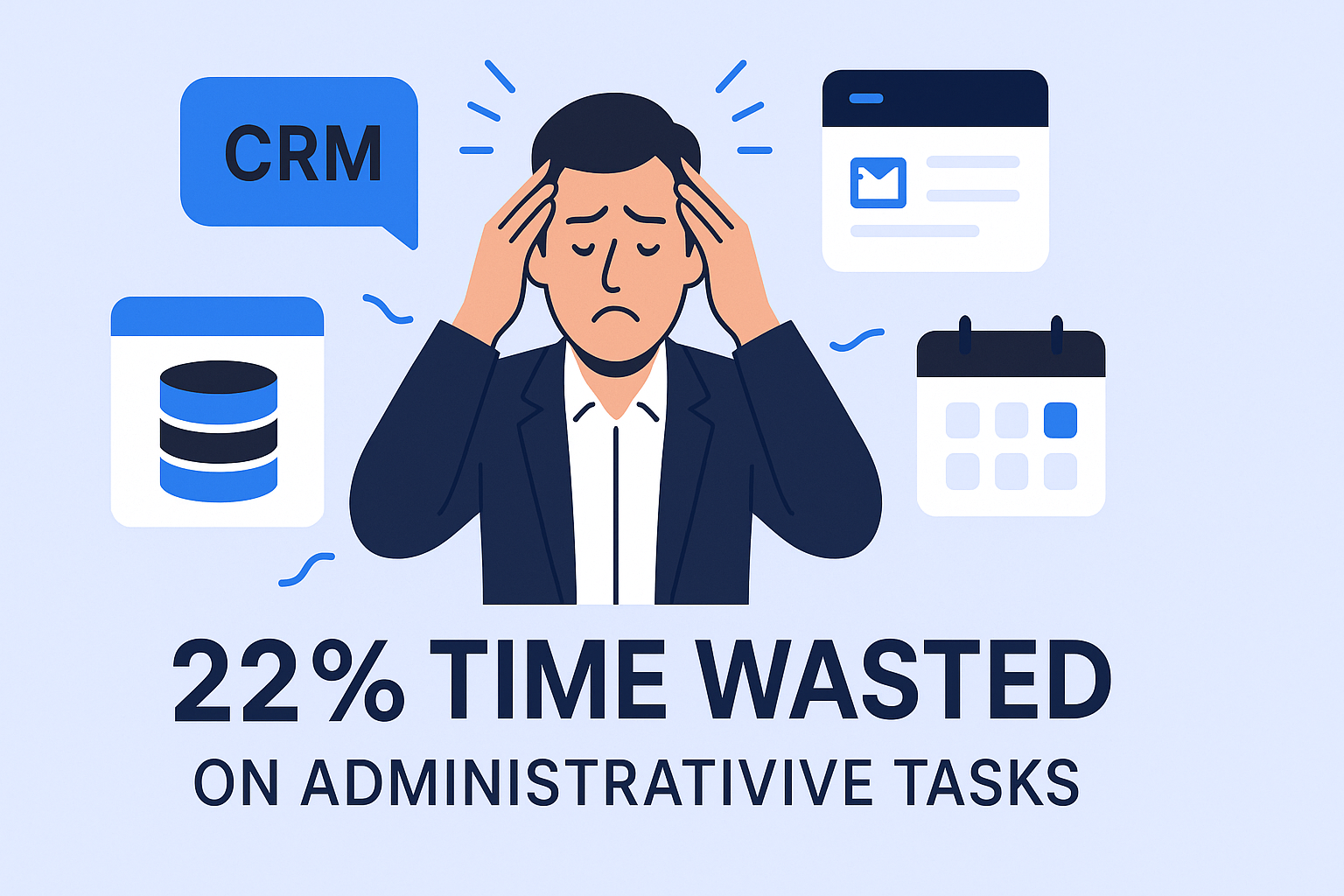
Sales development professionals are drowning in administrative work, spending roughly 22% of their time on tasks like data entry and email management instead of actual selling. The right technology stack can change everything, with companies leveraging modern sales tools reporting up to 25% more qualified leads.
This comprehensive review cuts through the noise to show you exactly which tools deliver real results in 2025.
TL;DR — Top 3 Sales Development Tools for 2025
After testing 15+ platforms and analyzing thousands of user reviews, here are the standout winners:
🥇 Salesso – Best overall cold email solution with advanced deliverability features and transparent pricing starting at $25/month. Perfect for teams focused on email outreach with powerful automation and inbox warm-up capabilities.
🥈 Apollo.io – Best all-in-one platform combining 275M+ contact database with built-in engagement tools. Offers the most comprehensive feature set with plans from $49/month.
🥉 LinkedIn Sales Navigator – Essential for B2B prospecting and research. Provides unrivaled access to professional network data with advanced search filters starting at $79.99/month.
How I Picked These Sales Development Tools
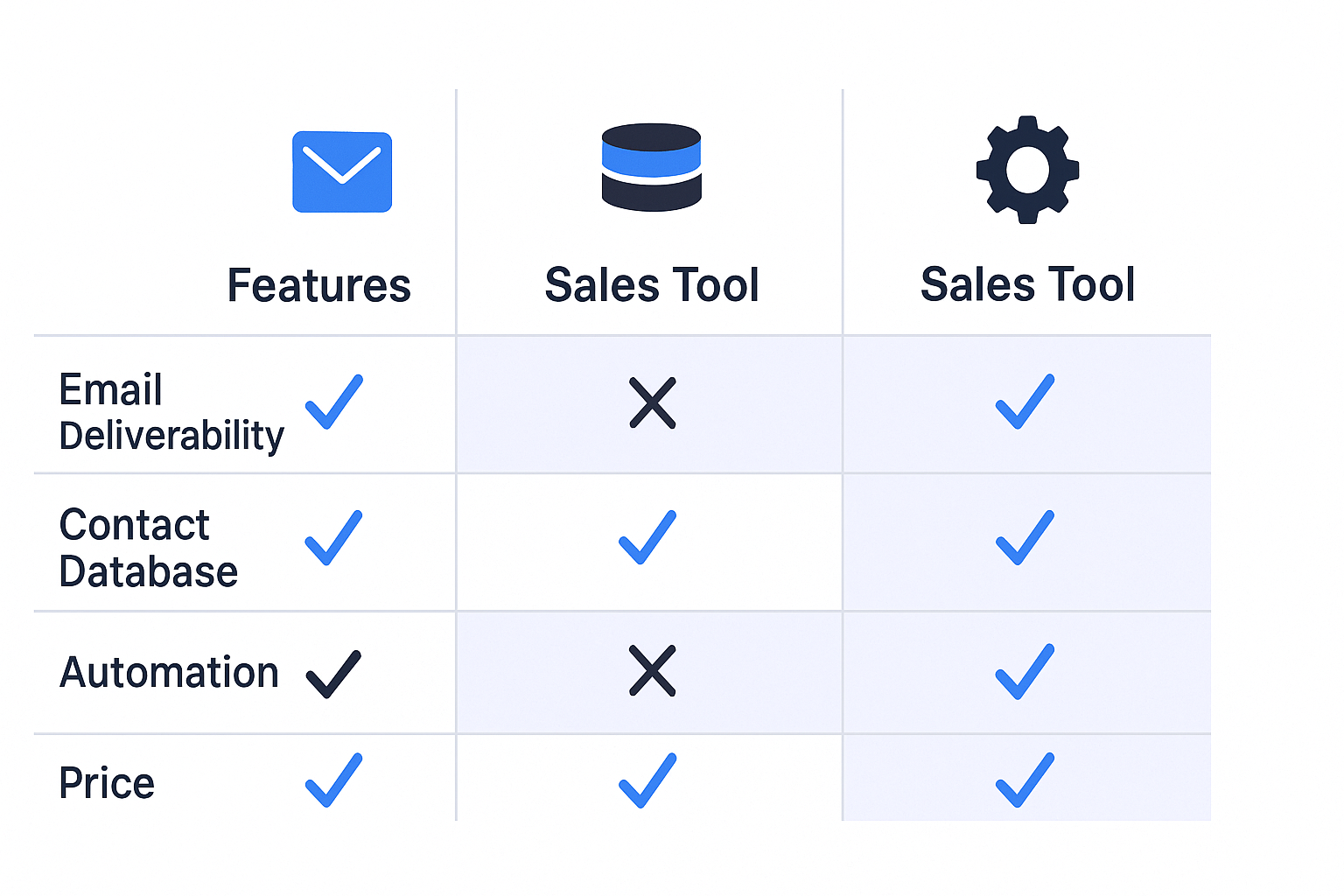
Choosing the right sales development tools can make or break your pipeline. My evaluation process focused on four critical factors:
Data Accuracy & Coverage: Tools must provide verified contact information with high deliverability rates. Bad data kills campaigns before they start.
Ease of Use: Complex platforms slow down adoption. The best tools feel intuitive from day one.
Pricing Transparency: Hidden costs and complex credit systems create budget nightmares. Clear, predictable pricing wins.
ROI Potential: Every tool must demonstrate measurable impact on key metrics like meeting bookings and pipeline generation.
I tested each platform hands-on, analyzed G2 reviews from 10,000+ users, and consulted industry benchmarks to ensure these recommendations deliver real results.
8 Best Sales Development Tools to Power Up Your Sales in 2025
Email Outreach & Cold Email Tools
1. Salesso
Best For: Teams focused on high-volume cold email outreach with maximum deliverability
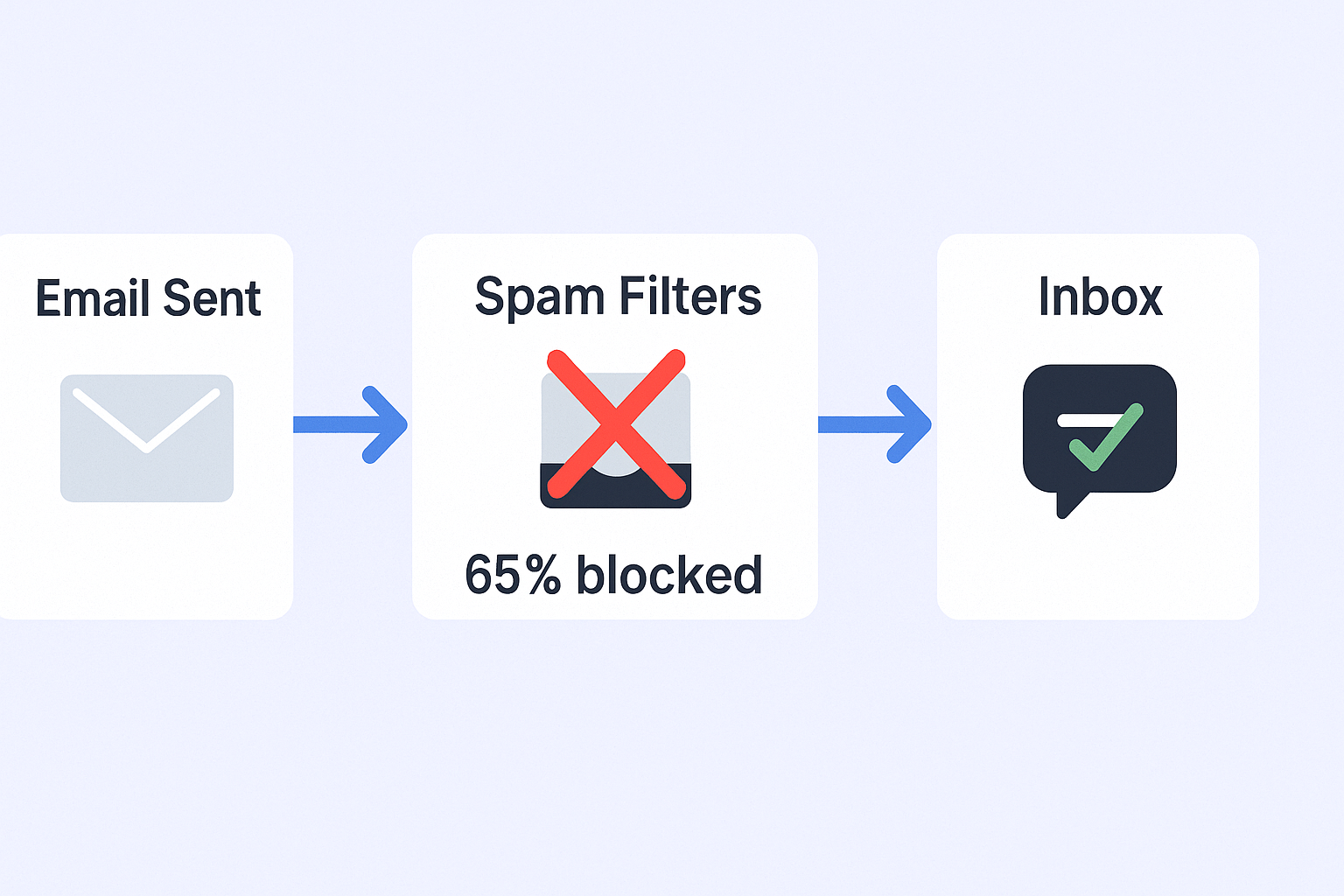
Salesso leads the pack with its laser focus on what matters most: getting emails into inboxes and driving responses. Built specifically for cold email success, it combines advanced deliverability features with powerful automation.
Key Features:
- Advanced Email Deliverability Suite: Built-in inbox warm-up, spam checker, and bounce protection
- AI-Powered Email Sequences: Smart automation with conditional logic and personalization
- Unlimited Email Accounts: Connect and manage multiple domains from one dashboard
- 700M+ Contact Database: Integrated lead finder with verification
- Real-Time Analytics: Track opens, clicks, replies, and deliverability metrics
Pricing: Transparent tiered pricing starting at $25/month for the Outreach Starter plan. No hidden credit costs or setup fees.
Why It Wins: While other platforms add complexity, Salesso perfects the fundamentals. Users consistently praise its deliverability rates and straightforward interface. The ability to manage unlimited email accounts makes it ideal for scaling outreach without escalating costs.
Ideal For: Small to medium businesses, startups, and any team prioritizing email-first outreach strategies.
2. Saleshandy
Best For: Budget-conscious teams seeking reliable email outreach automation
Saleshandy offers solid email automation capabilities at an attractive price point. It focuses on core email outreach functionality without the complexity of enterprise platforms.
Key Features:
- Multi-channel sequences (email-focused)
- Basic CRM integrations
- Email tracking and analytics
- Template personalization
Pricing: Starting at $25/month for basic email outreach features.
Strengths: Affordable pricing and reliable email delivery. Good option for teams with straightforward email outreach needs.
Limitations: Limited CRM integrations often require Zapier. Basic personalization compared to AI-driven alternatives.
All-in-One Prospecting Platforms
3. Apollo.io
Best For: Teams wanting comprehensive prospecting data combined with engagement tools
Apollo.io stands out by combining a massive contact database with built-in sales engagement features. It’s the closest thing to a complete sales development platform at a reasonable price.
Key Features:
- 275M+ Contact Database: Searchable with 65+ filters including technographics and funding data
- Integrated Sales Engagement: Built-in email sequences, dialer, and LinkedIn automation
- Chrome Extension: Prospect directly from LinkedIn and company websites
- AI Writing Assistant: Automated email personalization and content suggestions
- CRM Integration: Bi-directional sync with major CRM platforms
Pricing: Plans range from $49-$119/month per user (annual billing). Free tier available with limited features.
The Credit System Catch: While base pricing seems reasonable, Apollo uses a credit system for premium data like mobile numbers and exports. Additional credits cost $0.20 each, which can significantly increase costs for heavy users.
Why It Works: Apollo solves the “tool sprawl” problem by combining prospecting and engagement in one platform. Users love the data quality and breadth of features.
Best Fit: Mid-market teams that want comprehensive functionality without enterprise complexity.
4. LinkedIn Sales Navigator
Best For: Every sales professional doing B2B outreach
Sales Navigator isn’t optional—it’s essential infrastructure for modern sales development. With 65 million decision makers and 10 million C-level executives active on LinkedIn, it provides unmatched access to professional data.
Key Features:
- Advanced Search Filters: Target prospects by role, company size, recent activity, and more
- Real-Time Alerts: Notifications for job changes, company news, and prospect activity
- InMail Messages: 50 monthly credits for contacting prospects outside your network
- Lead Recommendations: AI-powered suggestions based on your ideal customer profile
- CRM Integration: Sync prospect data with Salesforce and other platforms
Pricing: Core plan at $79.99/month, Advanced at $149/month. Annual billing offers ~20% discount.
The LinkedIn Advantage: The data is self-reported and constantly updated by users, making it the most current professional information available anywhere.
Essential Note: Sales Navigator doesn’t provide direct contact information—you’ll need to pair it with a data enrichment tool like Apollo.io or Salesso for email addresses and phone numbers.
Sales Engagement Platforms
5. Outreach.io
Best For: Enterprise sales teams with complex, multi-channel engagement needs
Outreach positions itself as the premium solution for revenue orchestration. It’s built for large sales organizations that need advanced automation and analytics.
Key Features:
- Kaia AI Assistant: Real-time coaching and content suggestions
- Advanced Multi-Channel Sequencing: Complex workflows across email, phone, and social
- Revenue Intelligence: AI-powered deal insights and forecasting
- Deep CRM Integration: Enterprise-grade Salesforce connectivity
Pricing: Quote-based only, with industry estimates starting around $100+/month per user for annual contracts. Add implementation fees of $1,000-$8,000.
Enterprise Trade-offs: Outreach offers powerful features but at enterprise complexity and cost. The interface has a steep learning curve, and the pricing model lacks transparency.
Right For: Large sales teams (50+ reps) with dedicated sales operations support.
6. Salesloft
Best For: Mid-market teams seeking user-friendly sales engagement with built-in coaching
Salesloft competes directly with Outreach but emphasizes ease of use and native conversation intelligence features.
Key Features:
- Cadence Builder: Intuitive multi-channel sequence creation
- Conversations: Built-in call recording and analysis
- Deal Intelligence: Pipeline health monitoring
- Coaching Insights: Performance analytics for managers
Pricing: Quote-based, estimated at $125-$165/month per user annually. Additional fees may apply for dialer functionality.
User Experience Edge: Consistently praised for intuitive interface and smooth onboarding compared to Outreach.
Consider If: You need enterprise-grade engagement tools but want better usability than Outreach.
Essential Foundation Tools
7. HubSpot CRM
Best For: Any team needing a powerful, scalable customer database
HubSpot’s free CRM remains the industry’s best value proposition. It provides enterprise-grade contact management without the enterprise price tag.
Key Features:
- 100% Free Core CRM: Contact, company, and deal management with no user limits
- Pipeline Visualization: Customizable deal stages and reporting
- Email Integration: Track emails and schedule follow-ups
- Meeting Scheduling: Built-in calendar booking
Pricing: Free forever for core CRM. Paid Sales Hub starts at $20/month per user.
The Scaling Strategy: Start free, add paid features as you grow. The ecosystem includes marketing, service, and operations hubs for complete business management.
Perfect For: Startups to enterprises that want a CRM that grows with them.
8. Calendly
Best For: Every sales professional who books meetings
Calendly eliminates scheduling friction—the silent killer of sales momentum. It’s simple, reliable, and universally loved by both sales teams and prospects.
Key Features:
- Real-Time Availability: Syncs with Google, Outlook, and other calendars
- Automated Reminders: Reduces no-show rates significantly
- Round-Robin Scheduling: Distributes leads evenly across team members
- CRM Integration: Automatically logs scheduled meetings
Pricing: Free plan available. Paid plans from $10-$16/month per user.
Why It’s Essential: Booking meetings shouldn’t require email tag. Calendly makes scheduling effortless for both parties.
Must-Have For: Anyone who books more than a few meetings per month.
Pick the Right Tool Based on Your Sales Strategy
Choosing the right sales development tools depends on three critical factors: team size, primary sales motion, and budget constraints.
